

The Conversation (0)
Apr. 29, 2026 11:45AM PST
The epicenter of the crisis lies in the Strait of Hormuz, a critical maritime chokepoint that historically handles about 35 percent of global seaborne crude oil trade.
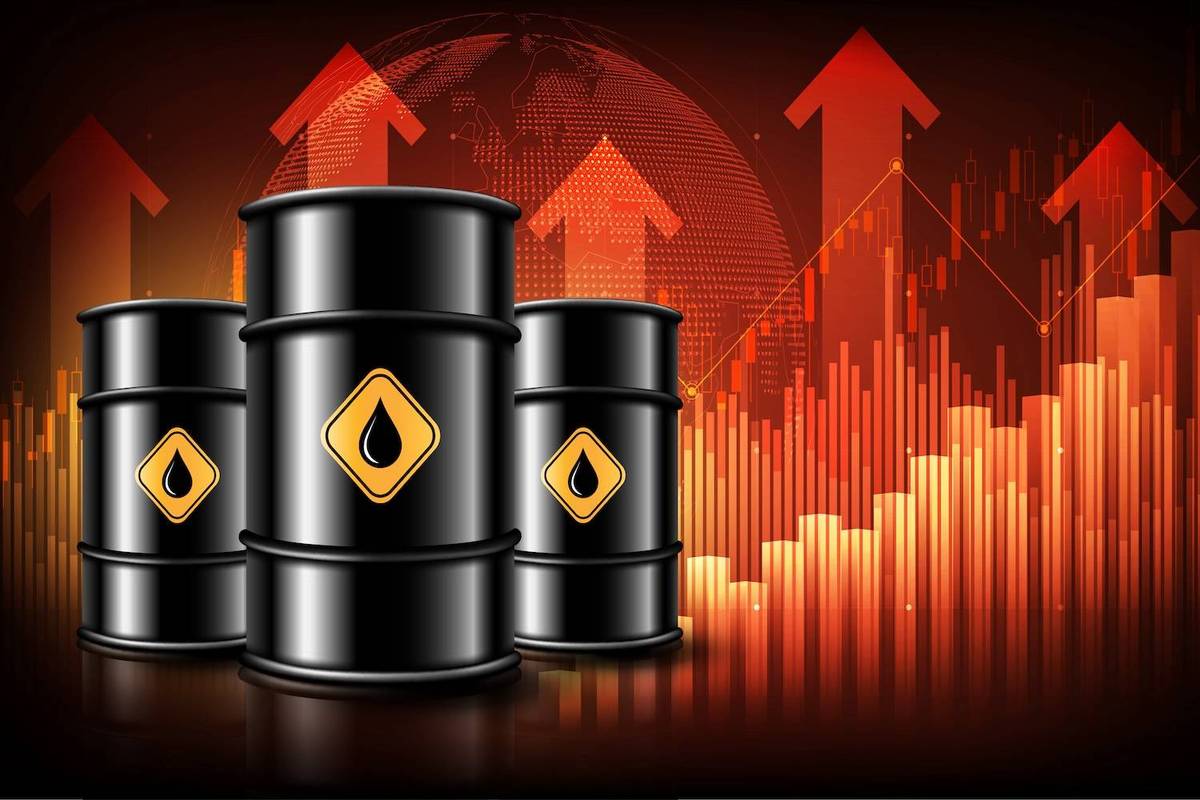
chakisatelier / Adobe Stock
Global energy prices are projected to surge 24 percent this year to their highest levels since Russia’s 2022 invasion of Ukraine, World Bank Group states in its latest Commodity Markets Outlook.
The ongoing conflict is expected to drive a 16 percent increase in overall commodities prices in 2026.
The surge is being propelled by record-high prices for key industrial metals and severe disruptions to global oil and fertilizer supply chains, creating an inflationary environment for the broader commodities market.
The World Bank notes that energy infrastructure attacks and Middle East shipping disruptions have triggered the largest oil supply shock on record, resulting in an initial reduction in global oil supply of roughly 10 million barrels per day.
Its baseline forecasts assume these acute disruptions will end in May, allowing shipping to gradually return to pre-war levels by late 2026. In this scenario, Brent crude is forecast to average US$86 per barrel this year.
At that level, prices would be up sharply from US$69 in 2025.
The World Bank report also reveals in a special section that oil price volatility roughly doubles during periods of elevated geopolitical risk. A 10 percent oil price increase triggered by a geopolitical supply shock typically pushes natural gas prices up by about 7 percent and fertilizer prices up by over 5 percent roughly a year later. Consequently, the World Bank projects overall fertilizer prices will increase by 31 percent in 2026, driven by a 60 percent jump in urea prices.
The UN World Food Programme warns that this severe drop in fertilizer affordability threatens future crop yields and could push up to 45 million more people into acute food insecurity this year if the conflict proves prolonged.
Industrial supply chains are facing similar cost pressures.
Prices for base metals, including aluminum, copper and tin, are expected to reach all-time highs as structural demand from data centers, electric vehicles and renewable energy grids collides with constrained supply.
Meanwhile, precious metals are forecast to increase by an average of 42 percent in 2026 as geopolitical uncertainty drives safe-haven investment.
UAE to exit OPEC
The logistical paralysis in the Gulf is further compounded by fracturing geopolitical alliances among the region's top oil producers. The United Arab Emirates (UAE) announced on Tuesday (April 28) that it will formally exit OPEC and OPEC+ on Friday (May 1), putting an end to nearly six decades of membership.
While the UAE possesses a production capacity exceeding 4 million barrels per day and has chafed at OPEC quotas restricting it to 3 million, the market impact of its departure is muted by the regional conflict.
The US Energy Information Administration estimates that Gulf producers have collectively shut in roughly 9.1 million barrels per day in April simply because they cannot safely ship cargoes through the Strait.
“The war is hitting the global economy in cumulative waves: first through higher energy prices, then higher food prices, and finally, higher inflation, which will push up interest rates and make debt even more expensive,” World Bank Group’s Chief Economist Indermit Gill said in the organization's report.
The World Bank cautions that the baseline projections could deteriorate rapidly if critical oil and gas facilities suffer further damage. In a scenario where export volumes are slow to recover, Brent could average US$115 this year, pushing inflation in developing economies to 5.8 percent — a level exceeded only in 2022 over the past decade.
With global central banks already fighting stubborn inflation, the World Bank is urging strict fiscal discipline.
Don't forget to follow us @INN_Resource for real-time updates!
Securities Disclosure: I, Giann Liguid, hold no direct investment interest in any company mentioned in this article.
https://x.com/giannliguid
https://www.linkedin.com/in/giannliguid/
Giann Liguid is a graduate of Ateneo De Manila University with an AB in Interdisciplinary Studies. With a diverse writing background, Giann has written content for the security, food and business industries. He also has expertise in both the public and private sectors, having worked in the government specializing in local government units and administrative dynamics.
When he is not chasing the next market headline, Giann can most likely be found thrift shopping for his dogs.
When he is not chasing the next market headline, Giann can most likely be found thrift shopping for his dogs.
INN Article Notification
Latest News
Outlook Reports world
Featured Oil and Gas Investing Stocks




Browse Companies
MARKETS
COMMODITIES
CURRENCIES
Giann Liguid is a graduate of Ateneo De Manila University with an AB in Interdisciplinary Studies. With a diverse writing background, Giann has written content for the security, food and business industries. He also has expertise in both the public and private sectors, having worked in the government specializing in local government units and administrative dynamics.
When he is not chasing the next market headline, Giann can most likely be found thrift shopping for his dogs.
Learn about our editorial policies.