
The Conversation (0)
- WORLD EDITIONAustraliaNorth AmericaWorld
The project will mark Canada’s first new large-scale uranium mine since Cigar Lake.
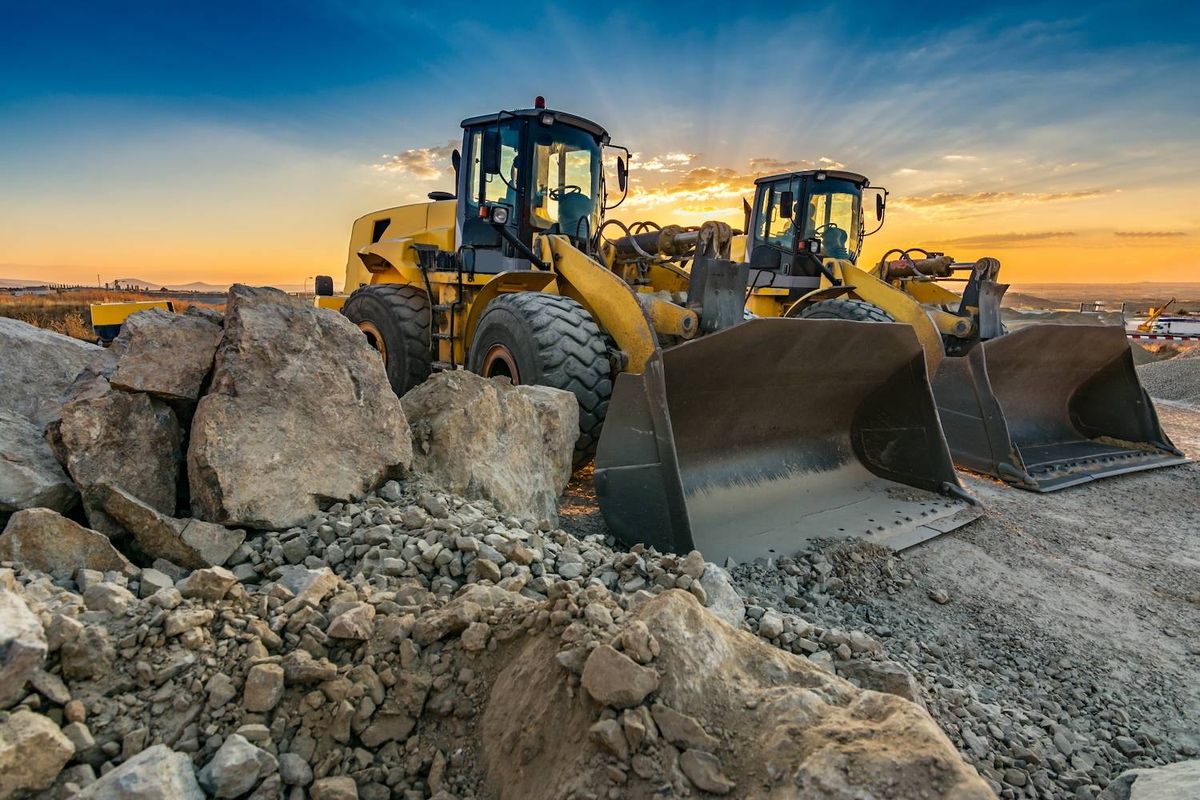
Enrique del Barrio / Adobe Stock
Denison Mines (TSX:DML,NYSEAMERICAN:DNN) is ready to move forward with construction of its flagship Phoenix in-situ recovery (ISR) uranium project in Northern Saskatchewan, pending final regulatory approvals.
The project, which is part of the Wheeler River property and expected to begin production by mid-2028, will mark Canada’s first new large-scale uranium mine since Cameco's (TSX:CCO,NYSE:CCJ) Cigar Lake.
“After another year of significant investment and progress, Denison stands ready to make a final investment decision and commence construction of the Phoenix ISR mine proposed for our flagship Wheeler River property,” said David Cates, Denison’s president and CEO, in a January 2 press release.
Regulatory and planning milestones have brought the project to a construction-ready state.
Last month, the Canadian Nuclear Safety Commission concluded its public hearings on the project’s environmental assessment and licensing, while Saskatchewan granted initial approval for early earthworks. Procurement planning is nearly complete, with long-lead items such as electrical infrastructure already on schedule for shipment.
Denison has also updated its initial capital cost estimate for the Phoenix project to approximately US$437 million, which includes inflation, procurement progress and engineering refinements.
This figure represents a 20 percent increase relative to the asset's 2023 feasibility study. Despite this rise, the company emphasized that no further adjustments are expected prior to construction.
The Phoenix ISR project is expected to be completed within a two-year construction timeline, supporting both the current fleet of Canadian nuclear reactors and future advanced reactor designs.
IRS, the method planned for Phoenix, involves dissolving uranium underground and pumping it to the surface, a technique used in over half of global uranium production, but not yet implemented in Canada.
Phoenix hosts the high-grade Phoenix and Gryphon deposits, discovered in 2008 and 2014, respectively, and is a joint venture between Denison and JCU Exploration Company, with Denison acting as operator.
If approvals are received in the first quarter of 2026, Denison expects to commence construction promptly, keeping the project on track for first uranium output in mid-2028.
Don’t forget to follow us @INN_Resource for real-time news updates!
Securities Disclosure: I, Giann Liguid, hold no direct investment interest in any company mentioned in this article.
TSX:DML
https://x.com/giannliguid
https://www.linkedin.com/in/giannliguid/
Giann Liguid is a graduate of Ateneo De Manila University with an AB in Interdisciplinary Studies. With a diverse writing background, Giann has written content for the security, food and business industries. He also has expertise in both the public and private sectors, having worked in the government specializing in local government units and administrative dynamics.
When he is not chasing the next market headline, Giann can most likely be found thrift shopping for his dogs.
When he is not chasing the next market headline, Giann can most likely be found thrift shopping for his dogs.
INN Article Notification
Outlook Reports
Featured Uranium Investing Stocks




Browse Companies
MARKETS
COMMODITIES
CURRENCIES
Giann Liguid is a graduate of Ateneo De Manila University with an AB in Interdisciplinary Studies. With a diverse writing background, Giann has written content for the security, food and business industries. He also has expertise in both the public and private sectors, having worked in the government specializing in local government units and administrative dynamics.
When he is not chasing the next market headline, Giann can most likely be found thrift shopping for his dogs.
Learn about our editorial policies.