
The Conversation (0)
Foreigners may still apply to offtake gold through GoldBod, but are now barred from any direct participation in Ghana’s internal gold value chain.
atdr / Adobe Stock
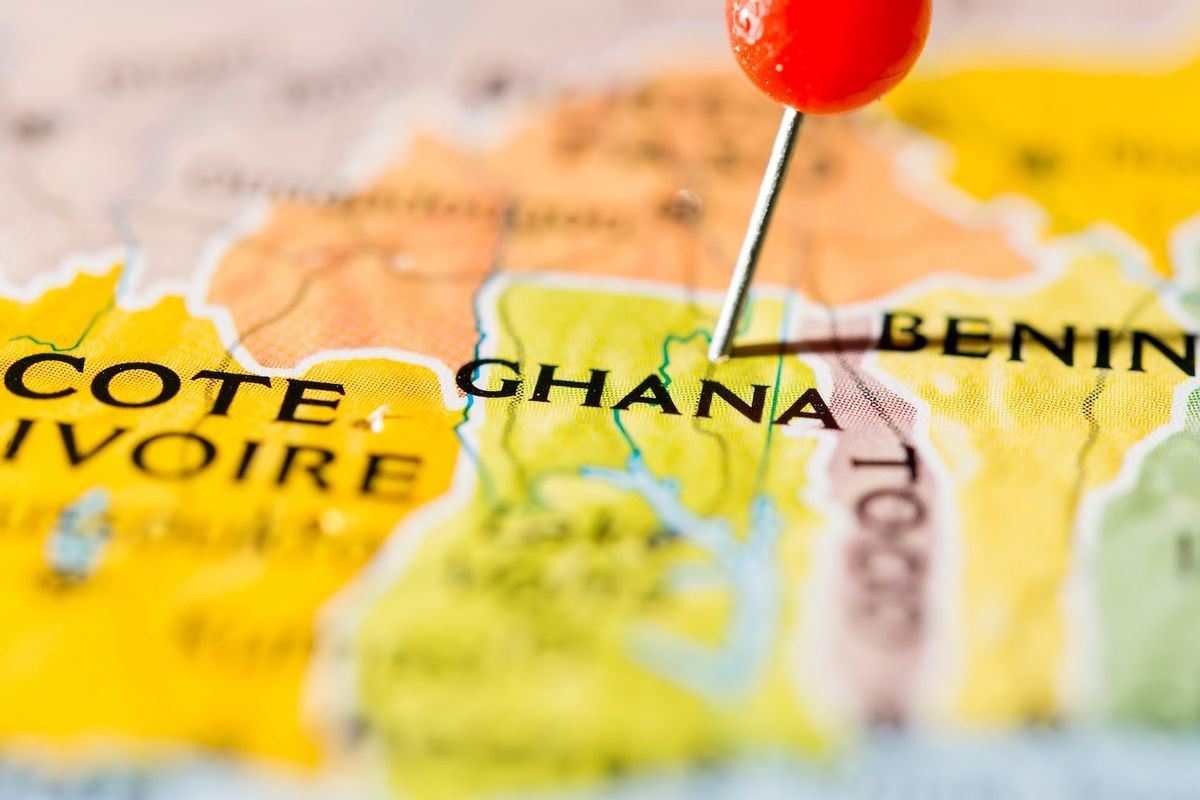
As part of a sweeping policy shift aimed at tightening control over its most lucrative natural resource, Ghana has banned all foreigners from trading in its domestic gold market, BBC reported.
The directive, announced by the newly created Ghana Gold Board (GoldBod), forms part of the national government’s legislative overhaul to increase state revenues, curb illegal mining and regain regulatory control over the country’s booming artisanal and small-scale gold sector.
GoldBod was created as part of the Ghana Gold Board bill 2025, which was passed by parliament on March 29 and signed into law by President John Mahama on April 2. The act rendered all previously issued licenses invalid, except for licenses granted to large-scale mining companies.
“All foreigners are hereby notified to exit the local gold trading market not later than 30th April, 2025,” said GoldBod spokesperson Prince Kwame Minkah in a statement.
He added that any person or entity operating without a GoldBod-issued license after that date would be committing a punishable offense.
The new framework centralizes authority over gold purchasing, selling and exporting under GoldBod. Foreigners may still apply to offtake gold through GoldBod but are now barred from any direct participation in Ghana’s internal gold value chain.
Ghana, Africa’s largest gold producer and the sixth largest gold producer globally, has long struggled to translate its mineral wealth into broad-based economic prosperity.
The government sees this policy as a critical step to capture more value from gold production, especially from the artisanal mining sector, which contributes nearly US$5 billion annually in exports.
In March, Finance Minister Cassel Ato Forson said the government had allocated US$279 million to GoldBod to purchase and export at least 3 metric tons of gold per week from artisanal mining operations. Transactions will be conducted exclusively in Ghanaian cedis and priced based on rates from the Bank of Ghana.
The government hopes this mechanism will help increase foreign exchange inflows and stabilize the depreciating national currency.
Crackdown on illegal gold trade and foreign involvement
While aimed primarily at increasing fiscal revenues, the new law could also serve as a mechanism to limit avenues for illicit gold sales and environmental degradation caused by illegal mining, known locally as galamsey.
Illegal gold mining has become a flashpoint in Ghana’s political and environmental discourse. Fueled by soaring global gold prices, rising youth unemployment and weak enforcement, galamsey has led to extensive deforestation, mercury pollution and the contamination of over 60 percent of the country’s water bodies.
Chinese nationals have been widely implicated in the galamsey trade, frequently operating alongside local actors and allegedly flouting environmental and labor regulations.
While the new law does not explicitly target a particular nationality, it is expected to curtail foreign involvement in illegal gold sourcing.
Impact on Ghana's mining giants
The policy shift comes amid broader changes in Ghana's gold mining landscape, which is home to some of the world's largest mining firms. However, as large-scale mining companies did not have their licenses revoked, such firms should not be affected by the new legislation.
The government of Ghana currently has a 10 percent free carried interest in regulated mines operating in the country, which it is entitled to after it grants an exploitation permit.
Publicly traded companies mining and exploring for gold in Ghana include:
- Kinross Gold (TSX:K,NYSE:KGC), which operates the Chirano mine, producing 166,000 ounces in 2020.
- Galiano Gold (TSX:GAU,NYSEAMERICAN:GAU), which operates the Asanko gold mine.
- Gold Fields (NYSE:GFI,JSE:GFI), which operates the Tarkwa gold mine.
- Asante Gold (CSE:ASE,OTC Pink:ASGOF), which operates the Chirano and Bibiani gold mines.
- Newcore Gold (TSXV:NCAU,OTCQX:NCAUF), which is advancing its 100 percent owned Enchi gold project.
Gold Fields' Damang mine to close after lease denied
In a separate but related development, South Africa-based Gold Fields is ceasing operations at its Damang mine in Ghana after the government rejected its application for a lease renewal.
Mining at Damang had already ended in 2023, and the mine was processing only stockpiles, but Gold Fields had sought an extension as part of its end-of-life plan.
“The government has instructed Gold Fields to cease operations and vacate the lease area by the 18th April on expiry of the lease,” the company said in a statement, adding that it is working to safely wind down operations.
Damang produced 135,000 ounces in 2024, about 6 percent of Gold Fields’ total output. The company’s larger Tarkwa mine remains operational.
Don't forget to follow us @INN_Resource for real-time news updates!
Securities Disclosure: I, Giann Liguid, hold no direct investment interest in any company mentioned in this article.
From Your Site Articles
- Top 10 Gold-mining Companies ›
- 10 Largest Producers of Gold by Country ›
- Gold Price Hits New Record, Breaking US$3,200 for First Time ›
Related Articles Around the Web
NYSE:GLF
https://x.com/giannliguid
https://www.linkedin.com/in/giannliguid/
Giann Liguid is a graduate of Ateneo De Manila University with an AB in Interdisciplinary Studies. With a diverse writing background, Giann has written content for the security, food and business industries. He also has expertise in both the public and private sectors, having worked in the government specializing in local government units and administrative dynamics.
When he is not chasing the next market headline, Giann can most likely be found thrift shopping for his dogs.
When he is not chasing the next market headline, Giann can most likely be found thrift shopping for his dogs.
INN Article Notification
Latest News
Outlook Reports world
Featured Gold Investing Stocks




Browse Companies
MARKETS
COMMODITIES
CURRENCIES
Giann Liguid is a graduate of Ateneo De Manila University with an AB in Interdisciplinary Studies. With a diverse writing background, Giann has written content for the security, food and business industries. He also has expertise in both the public and private sectors, having worked in the government specializing in local government units and administrative dynamics.
When he is not chasing the next market headline, Giann can most likely be found thrift shopping for his dogs.
Learn about our editorial policies.