

The Conversation (0)
Jul. 30, 2026 08:20AM PST
A new report asserts that uranium has been flowing hidden within shipments of cobalt, pointing to a major blind spot in global nuclear accounting.
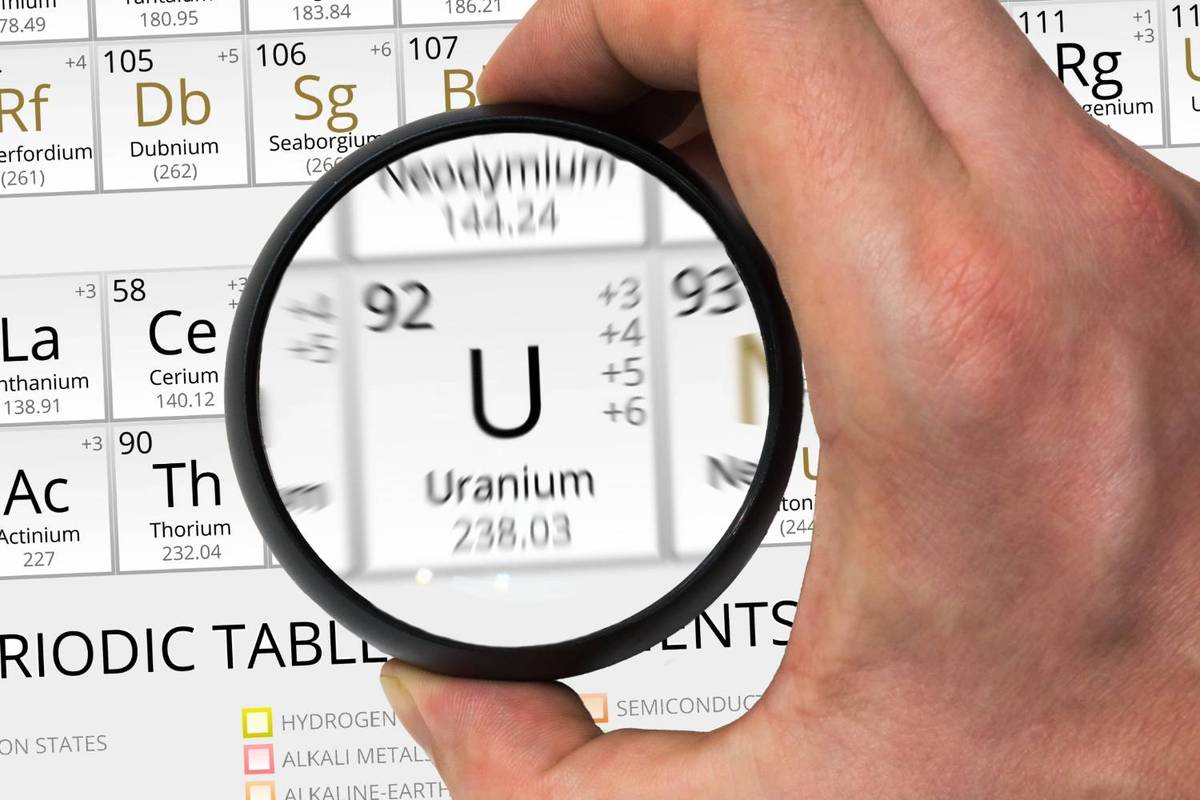
vchalup / Adobe Stock
Massive quantities of undeclared uranium have been extracted and exported from the Democratic Republic of the Congo (DRC) over the last two decades, bypassing international nuclear safeguards, a new report alleges.
The study published in the journal Nature Communications by researchers from the University of Wisconsin–Madison and Princeton University estimates that between 2,000 and 5,000 metric tons of natural uranium were exported from the DRC embedded in cobalt-hydroxide shipments from 2000 to 2024.
According to the research, less than 10 percent of this material was publicly declared to the International Atomic Energy Agency (IAEA).
The DRC has not officially reported uranium production in decades. Because the uranium is entirely off the books, the researchers warn there is no regulatory oversight regarding its final destination or end use.
“This quantity of undeclared uranium could be used to produce fissile material for roughly 600 to 1,500 nuclear weapons or fuel a standard light-water nuclear reactor for 10 to 25 years, so it’s quite a large amount,” co-author and nuclear security expert Sébastien Philippe told Newswise. “It could end up in a civilian nuclear energy program or in a military program, because nobody is going to ask where this uranium is going.”
The DRC’s Copperbelt is the world’s leading source of cobalt.
In the region's oxide ores, uranium naturally co-occurs with the cobalt. The researchers utilized geochemical data, regional mineralization mapping and mine-level trade records to build a chemical model of the cobalt processing supply chain.
They found that unless targeted chemical processes, such as the addition of phosphoric acid, are deployed during refining, uranium inherently bonds with the crude cobalt hydroxide product destined for export.
The destination for the vast majority of these shipments is China, which processes approximately 95 percent of the world’s cobalt refineries. When the crude cobalt hydroxide is refined into pure cobalt metal, the uranium is stripped out and becomes a highly valuable byproduct.
“Our scientific research doesn’t show this was done purposefully to get uranium out of the DRC,” Philippe added. “However, one of the things we’re concerned about is that the volumes of exported uranium we’ve quantified are beyond what is supposed to be declared to the IAEA, both by the DRC and China.”
The unmonitored uranium flow is occurring as the DRC government takes aggressive steps to consolidate control over its critical minerals sector.
Following a massive supply glut largely driven by Chinese-backed mining operations that pushed cobalt prices below US$10 per pound in early 2025, Kinshasa implemented a strict export quota system.
The state also recently mandated that cobalt producers must forfeit all export allocations left unused by June 30, transferring the unshipped volumes directly into a government strategic reserve.
Beyond proliferation risks, the researchers estimate that an additional 1,000 to 4,000 metric tons of highly mobile uranium were discarded into mine tailings over the past two decades, posing severe environmental and health risks to mining communities in the DRC.
The researchers argue that the findings necessitate an immediate national audit of mining in the DRC. They are also calling for systematic assay measurements of cobalt shipments and the implementation of new rules for separating uranium from the cobalt supply chain before export.
Don't forget to follow us @INN_Resource for real-time updates!
Securities Disclosure: I, Giann Liguid, hold no direct investment interest in any company mentioned in this article.
From Your Site Articles
- DRC to Reclaim Unused Export Quotas from Cobalt Miners ›
- What is Coltan? 5 Facts to Know About the Conflict Mineral ›
- Uranium Stocks: 5 Biggest Companies ›
- Justin Huhn: Uranium's "Unique" Supply Setup, Plus Prices, Stocks, Demand ›
- Uranium Price Trends: Q2 2026 Review and Forecast ›
Related Articles Around the Web
https://x.com/giannliguid
https://www.linkedin.com/in/giannliguid/
Giann Liguid is a graduate of Ateneo De Manila University with an AB in Interdisciplinary Studies. With a diverse writing background, Giann has written content for the security, food and business industries. He also has expertise in both the public and private sectors, having worked in the government specializing in local government units and administrative dynamics.
When he is not chasing the next market headline, Giann can most likely be found thrift shopping for his dogs.
When he is not chasing the next market headline, Giann can most likely be found thrift shopping for his dogs.
INN Article Notification
Latest News
Outlook Reports world
Featured Uranium Investing Stocks


Browse Companies
MARKETS
COMMODITIES
CURRENCIES
Giann Liguid is a graduate of Ateneo De Manila University with an AB in Interdisciplinary Studies. With a diverse writing background, Giann has written content for the security, food and business industries. He also has expertise in both the public and private sectors, having worked in the government specializing in local government units and administrative dynamics.
When he is not chasing the next market headline, Giann can most likely be found thrift shopping for his dogs.
Learn about our editorial policies.