
The Conversation (0)
Mar. 14, 2011 03:39PM PST
Zambia is most famous for its reserves of copper and cobalt, however, the country is also a miner producer of selenium and sliver. Gold, platinum, and palladium are also produced as a by-product of copper mining. Surging copper prices from 2004 to the present day has rapidly rekindled international interest in Zambia’s copper sector.
By Leia Michele Toovey- Exclusive to Copper Investing News
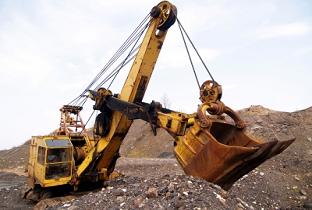
Copper, along with cobalt was first mined from the belt in the 1930s. Copper production in Zambia peaked in the early 70’s- but then declined for 30 consecutive years due to lack of investment, low prices and uncertainty over privatization of the industry. Copper reserves in Zambia were historically state-run, and with Zambia being one of the world’s most impoverished nations, there was little money to put into exploration. Exploration expenditures were extremely vulnerable to copper’s price fluctuations.
In the early 70’s, the country’s copper output was roughly 700,000 tonnes of copper per year. By 1998, output of copper plummeted to 228,000 tonnes, due to low prices and minimal reinvestment in the mines.
In the early 1990s, the government commenced discussions on the possibility of privatizing copper mining, under pressure by the International Monetary Fund and the World Bank. The privatization of the copper industry was a pre-condition for Zambia to qualify for debt relief through the highly indebted poor countries (HIPC) initiative. The government was very reluctant to privatize the state-run copper mines, and in 1999 major donors withheld approximately US$530 million in aid, until the government agreed to privatization. Zambia Consolidated Copper Mines’ (ZCCM) assets were divided and sold to various investors. The company retained shares in some of its units, and to date, still owns a minority stake in many of the local mines, through a holding company called ZCCM-Investment Holdings (ZCCM-IH).
As soon as privatization was complete, copper production and exploration took off. In 2001, the first full year of a privatized industry, Zambia recorded its first year of increased productivity since 1973. Surging copper prices from 2004 to the present day has rapidly rekindled international interest in Zambia’s copper sector. China has become a major investor in the Zambian copper industry, and in February 2007, the two countries announced the creation of a Chinese-Zambian economic partnership zone around the Chambishi copper mine.
The deposits
The majority of the copper deposits in Zambia are found along the “Copperbelt” a 500 million year old mountain chain. This mountain chain, the Lufilian Arc, formed when two large pieces of continental crust, the Kalahari craton and the Congo craton, collided. When it comes to the details of how mineralization occurred in this area, there is still considerable debate.
Somewhat similar styles of copper mineralization, variously containing gold, uranium and cobalt, are evident in the Domes Region to the west of the Copperbelt and are attractive exploration targets. Combined reserves and resources of copper-cobalt ore in operating mines of the Copperbelt exceed two billion tonnes and these have mostly been delineated for exploitation the after privatization of copper industry was completed.
Zambian copper miners
Metorex Ltd. (PINK:MRXLY)
Metorex is a copper/cobalt mining company with producing and development assets in the Democratic Republic of Congo and Zambia. Assets include Chibuluma Mines plc., a mine situated in the heart of Northern Zambia’s copper belt, west of Kitwe, near the town of Kalulushi. Metorex acquired 85 percent of the company in 1997, while the remaining 15 percent is held by the Zambian Government and Zambia Consolidated Copper Mines Limited (ZCCM). The mine produces approximately 16,000 tonnes of copper per annum.
First Quantum Minerals (TSX:FM)
Through its wholly owned subsidiary, Kansanshi Holdings Limited owns the Kansanshi mine, the world’s 8th largest copper mine. The mine is 80 percent owned by Kansanshi Mining PLC, the remaining 20 percent is owned by a subsidiary of ZCCM.
Konkola Copper Mines
KCM, a subsidiary of Vedanta Resources Plc. (LON:VED), is the largest mining and metals company in Zambia. KCM owns a variety of copper projects along the Zambian Copperbelt.
Equinox Minerals Ltd. (TSX:EQN)
Equinox is currently focused on operating its 100 percent owned large scale Lumwana copper mine in Zambia, one of the largest new copper mines to be developed over the last decade. Equinox acquired the Lumwana project in 1999 and following nearly 10 years of feasibility, financing and construction, commissioned the mine, plant and infrastructure in December 2008.
From Your Site Articles