The Conversation (0)
Chevron Reportedly Targeting Q1 Sale of Singapore Refining and Fuel Assets
Jan. 23, 2026 05:40AM PST
If completed as expected, the sale would further shrink the company’s downstream footprint in Asia as it concentrates capital on other priority investments globally.
gguy / Adobe Stock
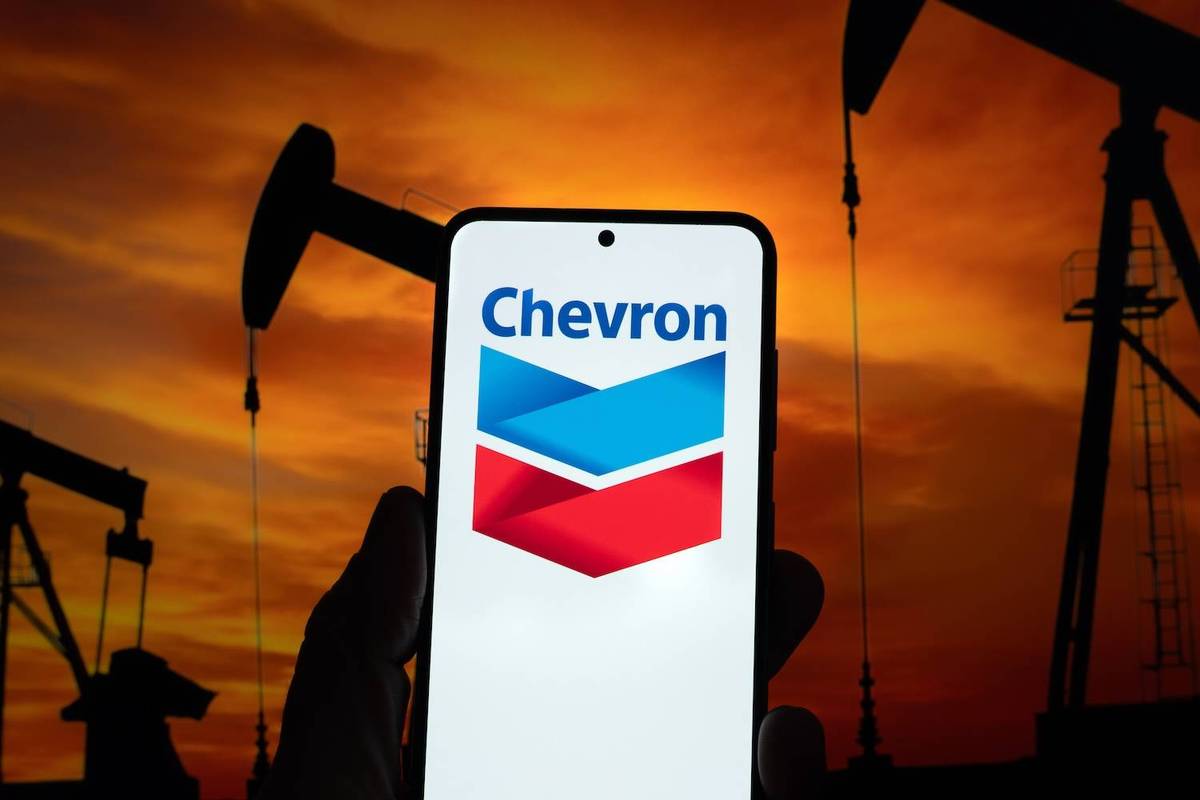
Chevron (NYSE:CVX) is moving toward the exit from its downstream footprint in Singapore, with the US oil major aiming to finalize the sale of its refining and fuel distribution assets in the first quarter of the year.
According to a Reuters exclusive, four people familiar with the matter said the company is in the final round of talks with Japanese refiner Eneos and global commodities trader Glencore (LSE:GLEN,OTCPL:GLCNF).
The package under negotiation is valued at US$1 billion or more, according to two of the sources. The assets up for sale include Chevron’s 50 percent stake in Singapore Refining Company (SRC), a fuel terminal and a network of retail service stations in Singapore.
One source said the deal is also expected to include Chevron-branded retail stations in Malaysia and Cambodia, extending the transaction beyond Singapore and giving the buyer a broader downstream footprint in Southeast Asia.
Chevron declined to comment, as did Eneos and Glencore. Morgan Stanley (NYSE:MS), which has been appointed to handle the sale of the SRC stake and related assets, also declined to comment.
The company’s Singapore assets anchor its regional downstream operations. Through SRC, Chevron owns half of a 290,000-barrel-per-day refinery on Jurong Island, one of Asia’s most important refining and petrochemical hubs.
The remaining 50 percent stake is held by PetroChina via its Singapore Petroleum Company unit. The refinery produces transportation fuels and chemical feedstocks for both domestic use and export markets.
The sale package also includes Chevron’s Penjuru terminal, which has more than 400,000 cubic meters of oil storage capacity and serves as a blending and supply hub for transportation fuels, base oils, marine fuels and finished lubricants.
Chevron’s retail network under the Caltex brand spans about 26 stations in Singapore, roughly 420 outlets in Malaysia and 53 stations in Cambodia, according to company disclosures.
Given the city-state’s role as a regional trading, blending, and bunkering hub, securing storage and terminal infrastructure in Singapore offers strategic advantages for any buyer. Control of downstream assets provides direct access to fast-growing fuel import markets across Southeast Asia.
Both bidders are looking to deepen their exposure to the region. For Eneos, Japan’s largest refiner, the deal would mark its first refining asset outside Japan. The company operates nine refineries domestically, including a joint venture with PetroChina in Chiba, and runs more than 12,000 retail stations across Japan.
Glencore, meanwhile, has been steadily building out its downstream portfolio alongside its core trading business. The company owns a refinery and retail network in South Africa through its Astron Energy subsidiary and expanded its presence in Singapore after acquiring the Bukom refinery last year from Shell (NYSE:SHEL) in a joint venture with Indonesia’s Chandra Asri Pacific.
Chevron had invited non-binding bids for its SRC stake earlier this year, according to people familiar with the process.
Don’t forget to follow us @INN_Resource for real-time news updates!
Securities Disclosure: I, Giann Liguid, hold no direct investment interest in any company mentioned in this article.
https://x.com/giannliguid
https://www.linkedin.com/in/giannliguid/