The Conversation (0)
Moon Race Shifts Focus to Rare Earths, Resource Access
Mar. 31, 2026 05:53AM PST
As demand for rare earths and other critical materials grows, competition is expanding beyond traditional mining jurisdictions.
dimazel / Adobe Stock
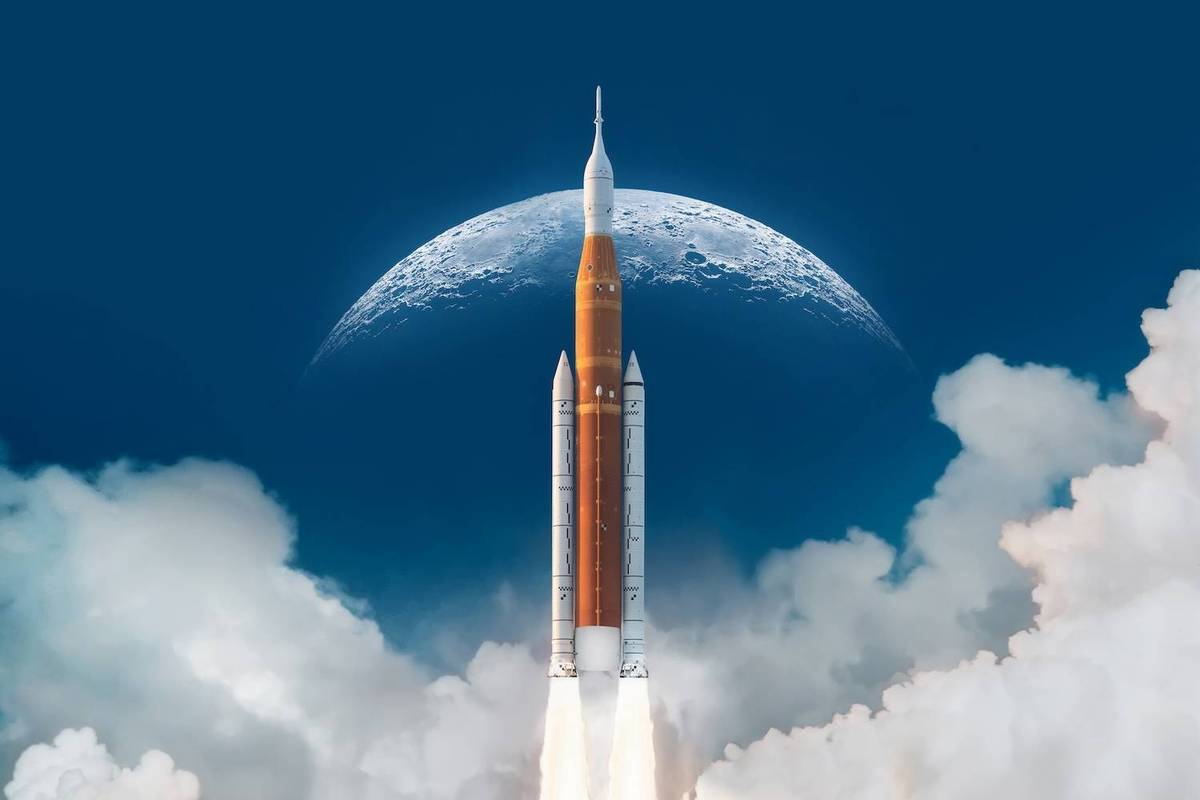
The race back to the Moon is as much about minerals as it is about exploration.
NASA is set to launch Artemis II on Wednesday (April 1) , sending four astronauts on a lunar flyby that will pave the way for future landings and a potential Moon base.
While the mission marks a return to crewed deep-space travel after more than 50 years, it is also sharpening focus on the Moon’s resource potential—particularly rare earth elements and other critical minerals.
Scientists say the Moon contains many of the same materials found on Earth, including rare earths, iron and titanium, with the possibility that some regions host higher concentrations.
“The Moon has got the same elements in it that we have here on Earth,” planetary scientist Sara Russell told BBC. “An example is rare earth elements, which are very scarce on Earth, and there might be parts of the Moon where these are concentrated enough to be able to mine them.”
Water is another key factor. Ice deposits at the lunar poles could support sustained operations and be converted into fuel, making them strategically important for longer-term industrial activity.
The US$93 billion program is proof of how governments are approaching resource security. The Moon is increasingly viewed as a potential extension of supply chains tied to energy, defense, and advanced manufacturing.
Likewise, China has rapidly expanded its lunar program and is targeting a crewed landing by 2030.
While the 1967 Outer Space Treaty prevents nations from claiming sovereignty over the Moon, it does not prohibit the use of resources. This pushes competition toward access rather than ownership, with attention likely to focus on areas with the highest resource potential.
At the same time, governments are accelerating efforts to secure critical minerals on Earth.
USA Rare Earth (NASDAQ:USAR) is linked to a proposed US$1.6 billion US funding package aimed at building a domestic mine-to-magnet supply chain.
The plan includes both equity investment and debt financing tied to development of the Round Top deposit in Texas, along with processing and magnet production capacity.
However, the approach carries execution risks. Several US projects remain at an early stage, and questions persist over costs and technical viability.
But policymakers are increasingly willing to back such developments, even where commercial outcomes are uncertain.
Don't forget to follow us @INN_Resource for real-time updates!
Securities Disclosure: I, Giann Liguid, hold no direct investment interest in any company mentioned in this article.
https://x.com/giannliguid
https://www.linkedin.com/in/giannliguid/