

The Conversation (0)
Nov. 02, 2026 06:00AM PST
Oil prices fell over 4 percent as Iran talks ease supply concerns, with US crude dipping below US$100 a barrel. As global demand shifts, data centers and AI drive new energy considerations, even impacting uranium markets.
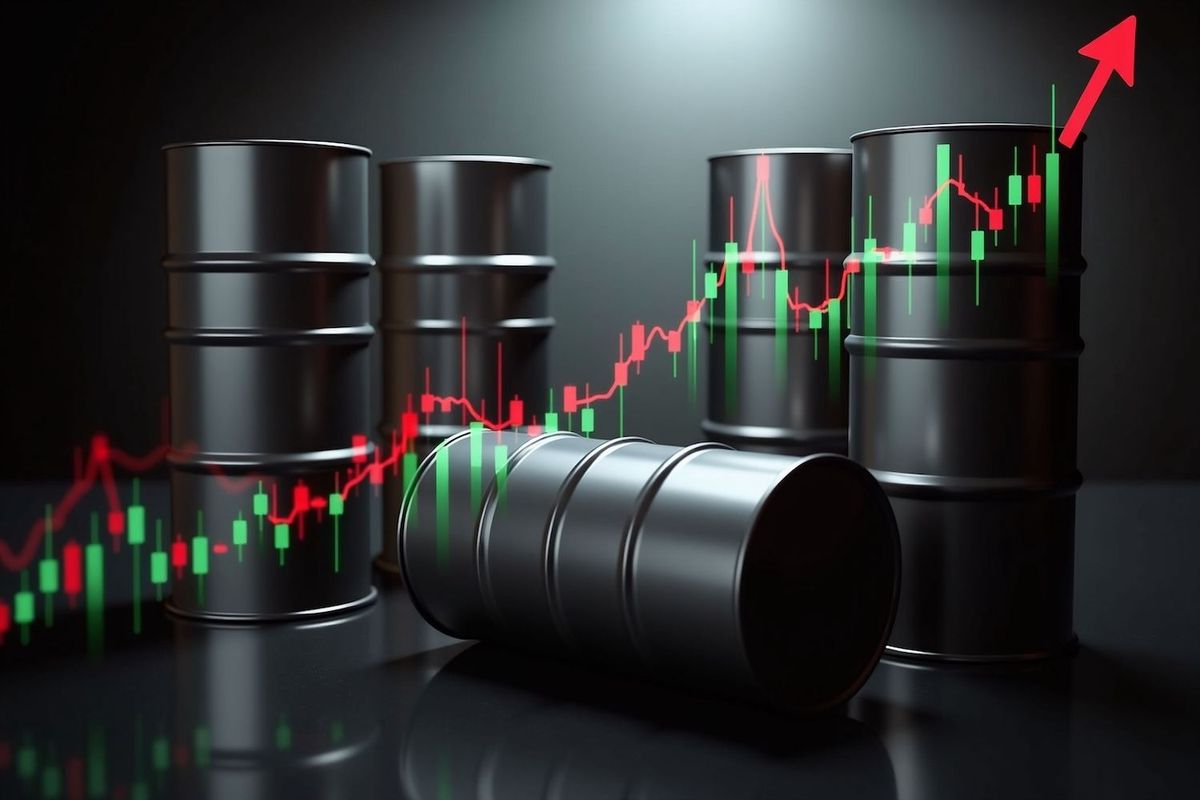
Jira switch / Adobe Stock
US crude fell below US$100 per barrel on Monday (November 2) after Iranian negotiators left Qatari-mediated talks with a draft proposal in circulation, knocking more than 4 percent off oil prices a day before the US midterm elections.
Brent crude futures dropped US$4.79, or 4.2percent, to US$108.64 per barrel, while West Texas Intermediate (WTI) traded at US$99.71, down US$4.41. Brent finished October at a six-month high on concern that the conflict could escalate again after Tuesday’s vote.
Iranian Foreign Minister Abbas Araqchi called the negotiations “ongoing and progressing” on Sunday and said Tehran was prepared for “both defence and diplomacy.” US Secretary of State Marco Rubio said President Donald Trump “hasn’t made a decision” and would prefer to resolve the war “diplomatically.”
Still, it has been previously reported that the US is preparing for possible military action after the election. On Saturday (October 31), Supreme Leader Mojtaba Khamenei called on Iran’s armed forces to meet “any level or type of threat” with “an immediate, impactful, and geographically unrestricted response.”
Seven core OPEC+ members, including Saudi Arabia and Russia, agreed on Sunday (November 1) to hold December production targets at September levels, about 31 million barrels per day combined.
Most Gulf members are still pumping well below their targets as the war disrupts exports. The full 21-country group meets on November 29, when analysts expect it to set quotas for 2027.
The world has drained nearly 1 billion barrels from inventories since the war disrupted shipping through the Strait of Hormuz, according to the CEO of ADNOC. Goldman Sachs raised its forecasts on Sunday and said Brent could reach US$140 in 2027 if Gulf output stays 3.5 million barrels per day below its 2025 average.
EIA projects record US natural gas production
The war has also lifted demand for US natural gas. With Qatari gas absent from the market, global demand for spot LNG cargoes has surged, adding to growing domestic consumption from data centers.
The US Energy Information Administration (EIA) expects dry gas production to average 112.2 billion cubic feet per day (Bcf/d) this year, topping the 2025 record of 107.64 Bcf/d, and to climb to 116.13 Bcf/d in 2027.
US LNG exports averaged 17.4 Bcf/d in the first half, up 23 percent from a year earlier. The agency expects rising output to more than offset higher exports.
Producers are scaling up to meet that demand. EQT Corporation (NYSE:EQT) agreed last week to buy Range Resources in an all-stock deal that gives the combined company a pro forma enterprise value of more than US$50 billion.
“North American gas markets have shifted from producer-push to demand-pull, and this deal puts EQT firmly at the heart of that transition,” Lydia Walker, senior research analyst at Wood Mackenzie, said in a recent release.
Uranium producer Cameco (TSX:CCO,NYSE:CCJ) also addressed data center demand in its third-quarter results on Friday (October 30).
“While growing electricity demand associated with artificial intelligence, data centres and the broader technology sector may provide additional upside for nuclear energy, it is important to recognize that our investment thesis does not depend on any single demand driver,” CEO Tim Gitzel said.
Gitzel added that utilities continue to evaluate their fuel requirements “in an increasingly uncertain geopolitical environment.”
Cameco posted net earnings of US$30.8 million for the quarter ended September 30, with an adjusted net loss of US$1.4 million and adjusted EBITDA of US$191.3 million.
The company said results for the quarter and the first nine months came in generally lower than in 2025, but higher realized prices partly offset the decline.
A planned maintenance shutdown at the Key Lake mill, longer than in previous years, began in the third quarter and held Cameco’s share of production to 3.5 million pounds of U3O8 while raising costs.
Don't forget to follow us @INN_Resource for real-time updates!
Securities Disclosure: I, Giann Liguid, hold no direct investment interest in any company mentioned in this article.
https://x.com/giannliguid
https://www.linkedin.com/in/giannliguid/
Giann Liguid is a graduate of Ateneo De Manila University with an AB in Interdisciplinary Studies. With a diverse writing background, Giann has written content for the security, food and business industries. He also has expertise in both the public and private sectors, having worked in the government specializing in local government units and administrative dynamics.
When he is not chasing the next market headline, Giann can most likely be found thrift shopping for his dogs.
INN Article Notification
Latest News
Outlook Reports world
Featured Energy Investing Stocks



Browse Companies
MARKETS
COMMODITIES
CURRENCIES
Giann Liguid is a graduate of Ateneo De Manila University with an AB in Interdisciplinary Studies. With a diverse writing background, Giann has written content for the security, food and business industries. He also has expertise in both the public and private sectors, having worked in the government specializing in local government units and administrative dynamics.
When he is not chasing the next market headline, Giann can most likely be found thrift shopping for his dogs.
Learn about our editorial policies.