
The Conversation (0)
- WORLD EDITIONAustraliaNorth AmericaWorld
Valentyna / Adobe Stock
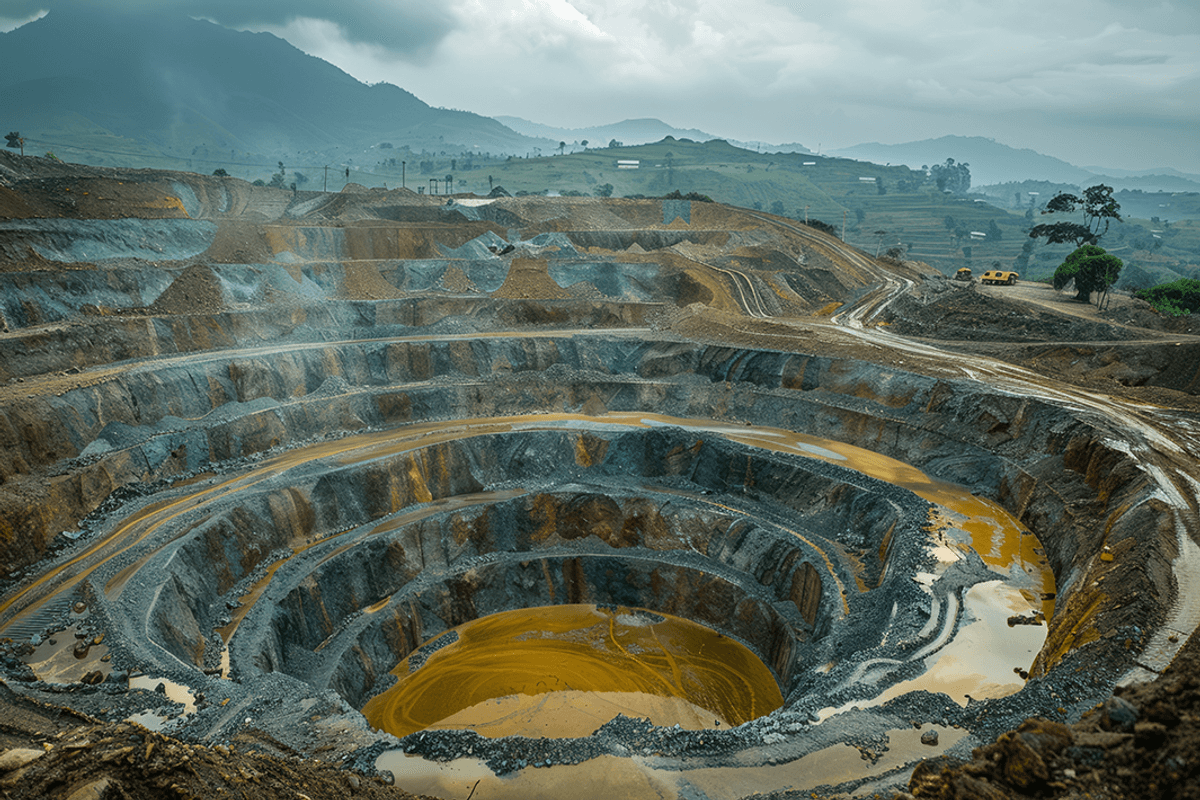
Electrification, power grids and data centers are driving copper demand, highlighting the need for alternative sources such as tailings or fine-grained mining waste.
The looming copper supply gap won’t close through mine production alone. Part of the answer lies in processing waste that historical mining left behind.
Data from the University of Queensland’s Sustainable Minerals Institute estimates that approximately 13 billion metric tons of mine tailings are generated every year. Copper, in particular, has seen a bulk of tailings due to constant activity.
The University of Arizona said that the past century of major mining has generated an estimated 17.5 billion metric tons of copper tailings, with upwards of 200 million metric tons now added annually and “more to come” as more copper is mined.
In historical mining areas like the Democratic Republic of Congo (DRC), decades of activity have also left large volumes of copper tailings, calling for new technology that could change how these waste materials are processed and valued.
Canadian resource and extraction company CoTec Holdings (TSXV:CTH,OTCQX:CTHCF) answers through its joint venture with US-listed and DRC-focused Copper Intelligence (OTCID:CUAI), a partnership that combines the acquisition and advancement of copper tailings projects with modern processing technologies.
Copper’s projected demand and deficit
A study from S&P Global shows that overall copper demand will jump about 50 percent by 2040, rising to 42 million metric tons and potentially creating a 10 million metric ton supply deficit. Much of this is attributed to “the accelerating pace of electrification,” coupled with the emerging AI and defense sectors.
Demand from data centers alone is expected to reach up to 2.5 million metric tons by 2040, with copper employed for its signal transmission, power transfer and thermal control capacities.
Mining remains the primary source of copper and is currently providing the short-term supply. The Society for Mining, Metallurgy & Exploration notes that current mines are running out of ore or nearing exhaustion. New supply will also not meet the 2040 deadline, as the average time to bring a copper mine from discovery to production is 17.9 years.
S&P estimates that aggressive recycling could provide about a third of total copper needs by 2040, and the International Energy Agency said that it reduces new mine development needs by 40 percent by 2050. While these statistics seem promising, they point to the fact that adding recycling alone will not close the gap.
Tailings as supplemental sources
In 2021, Bloomberg reported that roughly 43 million metric tons of copper are sitting idle in waste dumps across mines worldwide. What makes tailings attractive, aside from global quantity, is that they no longer require time for exploration, or mining and crushing ore. The material is already sitting on the surface; what’s left is proper processing and management to unlock its value.
Tailings were deemed uneconomical in the past as the technology needed to process them was still inefficient. Demand at the time also did not call for a secondary source, and it only made sense for miners to exhaust resources to produce the highest grade possible and not extend efforts to re-crush or re-process waste.
In the DRC, state-owned Gécamines generated large volumes of copper tailings from industrial mining that began in the 1950s. Today, those tailings remain a defining feature of the Central African Copperbelt and include the Kolwezi tailings, which have led to ERG Africa’s Metalkol roan tailings reclamation project.
ERG states that Metalkol uses dredging and hydro-sluicing technology to recover tailings, which then uses high-pressure water to mobilize material. This offers a look at how modern technology creates advanced extraction and sustainable and cost-effective solutions, allowing miners to revisit tailings from the past.
Another example is Minera Valle Central (MVC) in Chile, which reprocesses materials into valuable commodities. Since 1992, MVC has partnered with state-owned Codelco to recover copper and molybdenum from both new and old tailings of El Teniente, the world’s largest underground copper mine. Powered by renewable energy, the process extracts minerals through water, which are crushed and separated from waste to make valuable portions float. The industry underlines that eco-friendly methods such as this also protect ecosystems, agriculture and community health.
CoTec Holdings’ partnered and staged approach
Canadian company CoTec Holdings has built its copper strategy around the presence of tailings in historical mining jurisdictions like the DRC. The US Geological Survey records the DRC’s 2025 mine production at 3.2 million metric tons, making it the world’s second largest producer behind Chile. A concentration of this production comes from the Central African Copperbelt, one of the richest copper and cobalt provinces in the world.
CoTec finalized a joint venture agreement with Copper Intelligence in September 2026, under which it is building a framework for pursuing tailings opportunities across the DRC's historical copper districts. The joint venture will combine CoTec's technology with Copper Intelligence's on-the-ground resource execution experience following a staged approach, testing technologies on each project to control capital and ensure maximum results.
Investor takeaway
Copper demand will continue to grow, and mining and recycling supply is running out of ways to catch up. Modern technology is shifting the gaze toward tailings from historical jurisdictions, which can produce a secondary, additional source with less time and resources.
With its newly formed joint venture, planned acquisitions and staged approach, CoTec Holdings is tapping into this opportunity. The company offers a peek into how technology and proper execution could support copper supply with waste, building from the ground up.
This INNspired article is sponsored by CoTec Holdings (TSXV:CTH,OTCQX:CTHCF). This INNspired article provides information which was sourced by the Investing News Network (INN) and approved by CoTec Holdings in order to help investors learn more about the company. CoTec Holdings is a client of INN. The company’s campaign fees pay for INN to create and update this INNspired article.
This INNspired article was written according to INN editorial standards to educate investors.
INN does not provide investment advice and the information on this profile should not be considered a recommendation to buy or sell any security. INN does not endorse or recommend the business, products, services or securities of any company profiled.
This INNspired article contains forward-looking information, including statements regarding planned activities, timelines, business objectives, and market conditions. Forward-looking information is based on assumptions and is subject to known and unknown risks and uncertainties that may cause actual results to differ materially from those anticipated. Readers should not place undue reliance on forward-looking information, which reflects the views of the profiled company as of the date of this profile and is not updated by INN.
The information contained here is for information purposes only and is not to be construed as an offer or solicitation for the sale or purchase of securities. Readers should conduct their own research for all information publicly available concerning the company. Prior to making any investment decision, it is recommended that readers consult directly with CoTec Holdings and seek advice from a qualified investment advisor.
CTH:CA
Alert Options
No alert set
INN Article Notification
Alert Option
You will be notified when this event occurs. No additional settings needed.
Latest News
Outlook Reports
Featured Copper Investing Stocks


Browse Companies
MARKETS
COMMODITIES
CURRENCIES