
The Conversation (0)
The maritime chokepoint, which historically processes more than 20 percent of global oil supplies, remains at a near standstill ahead of an expiring ceasefire.
efks / Adobe Stock
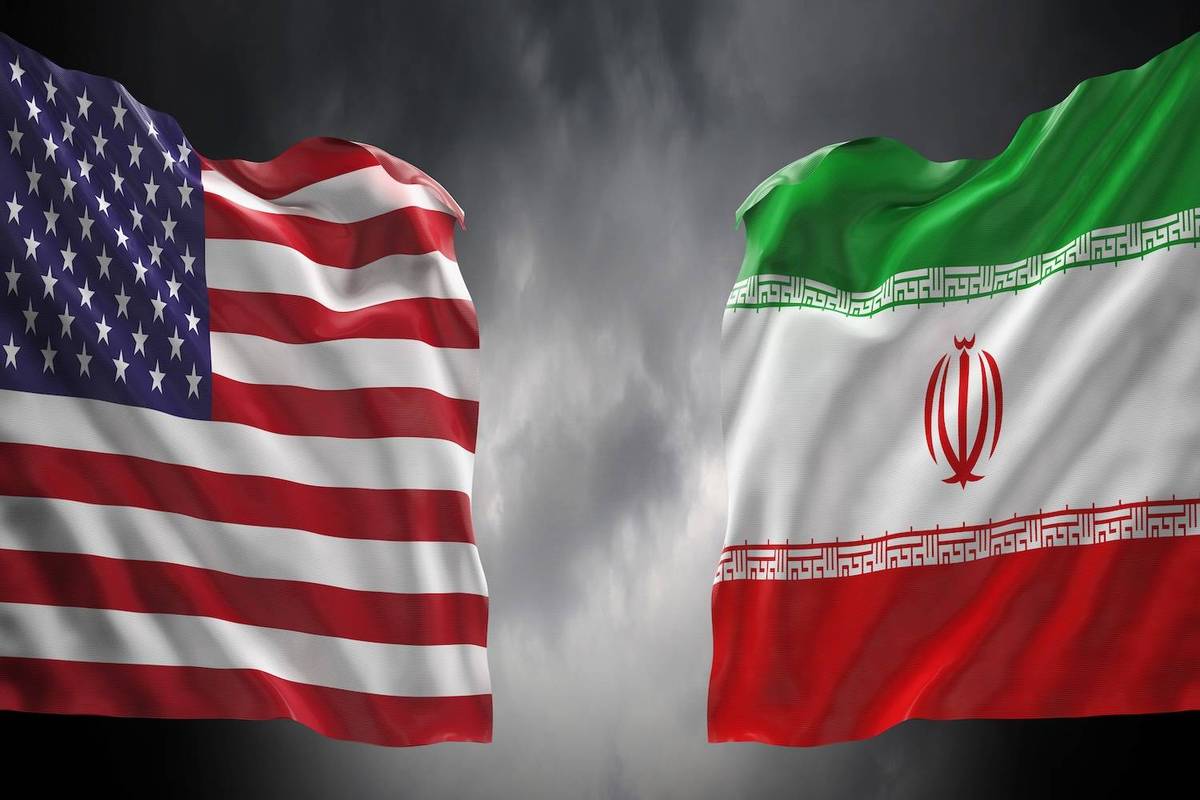
Oil prices spiked more than 5 percent to start the week after the US Navy seized an Iranian cargo ship, casting severe doubt on peace deal prospects before the current ceasefire expires this week.
West Texas Intermediate (WTI) crude futures jumped 5.4 percent to US$88.39 per barrel, while international benchmark Brent crude rose 5 percent to roughly US$95 per barrel.
Wholesale gasoline prices climbed 4 percent, and heating oil futures, a standard proxy for jet fuel, spiked 5 percent.
Conversely, safe-haven gold bucked its usual trend during geopolitical crises, slipping 0.5 percent to a one-week low of US$4,804.44 per ounce. US gold futures for June delivery also dropped 1.1 percent to US$4,824.60.
The drop in bullion was driven by a rising US dollar and higher 10-year Treasury yields, as markets priced in the inflationary risks of a prolonged oil shock.
The weekend was marked by a rapid deterioration of the fragile truce in the Strait of Hormuz.
Following a brief reopening on Friday (April 17) that temporarily crashed oil prices by 11 percent, Tehran re-imposed controls, and commercial vessels attempting to transit the waterway were fired upon.
French shipping giant CMA CGM confirmed one of its vessels came under fire on Saturday, though the company stated the crew remained safe and unharmed.
President Donald Trump confirmed the US military retaliated by intercepting an Iranian vessel that attempted to bypass the American blockade.
"Right now, US Marines have custody of the vessel," Trump posted on Truth Social, noting that forces had "blown a hole" in the ship's engine room. US Central Command published video footage of shots being fired at the vessel from a Navy guided-missile destroyer before Marines boarded the ship.
Tehran immediately threatened retaliation. A spokesperson for Iran's armed forces stated on state television: "Iran will soon respond to this act of armed piracy and theft by the America military and will retaliate."
Trump, however, accused Iran of breaking the truce first. "Iran decided to fire bullets yesterday in the Strait of Hormuz — A Total Violation of our Ceasefire Agreement," Trump wrote Sunday. “Many of them were aimed at a French Ship, and a Freighter from the United Kingdom."
According to maritime trackers, only three commercial ships were recorded crossing the waterway on Monday morning, a fraction of the hundreds that typically transit daily. Dozens of vessels that had prepared to cross over the weekend have turned back and remain trapped in the Persian Gulf.
The violence heavily overshadows scheduled peace talks, with the existing two-week ceasefire set to expire on Wednesday evening. Speaking to Bloomberg News, Trump stated it is "highly unlikely" he will extend the truce.
“I’m not opening [the Strait of Hormuz] until a deal is signed," Trump said.
Don’t forget to follow us @INN_Resource for real-time news updates!
Securities Disclosure: I, Giann Liguid, hold no direct investment interest in any company mentioned in this article.
https://x.com/giannliguid
https://www.linkedin.com/in/giannliguid/
Giann Liguid is a graduate of Ateneo De Manila University with an AB in Interdisciplinary Studies. With a diverse writing background, Giann has written content for the security, food and business industries. He also has expertise in both the public and private sectors, having worked in the government specializing in local government units and administrative dynamics.
When he is not chasing the next market headline, Giann can most likely be found thrift shopping for his dogs.
When he is not chasing the next market headline, Giann can most likely be found thrift shopping for his dogs.
INN Article Notification
Outlook Reports world
Featured Oil and Gas Investing Stocks





Browse Companies
MARKETS
COMMODITIES
CURRENCIES
Giann Liguid is a graduate of Ateneo De Manila University with an AB in Interdisciplinary Studies. With a diverse writing background, Giann has written content for the security, food and business industries. He also has expertise in both the public and private sectors, having worked in the government specializing in local government units and administrative dynamics.
When he is not chasing the next market headline, Giann can most likely be found thrift shopping for his dogs.
Learn about our editorial policies.