

The Conversation (0)
Jul. 06, 2026 01:15PM PST
The capital deployment was formalized during a meeting between Philippine President Ferdinand R. Marcos Jr. and company executives in Vancouver.
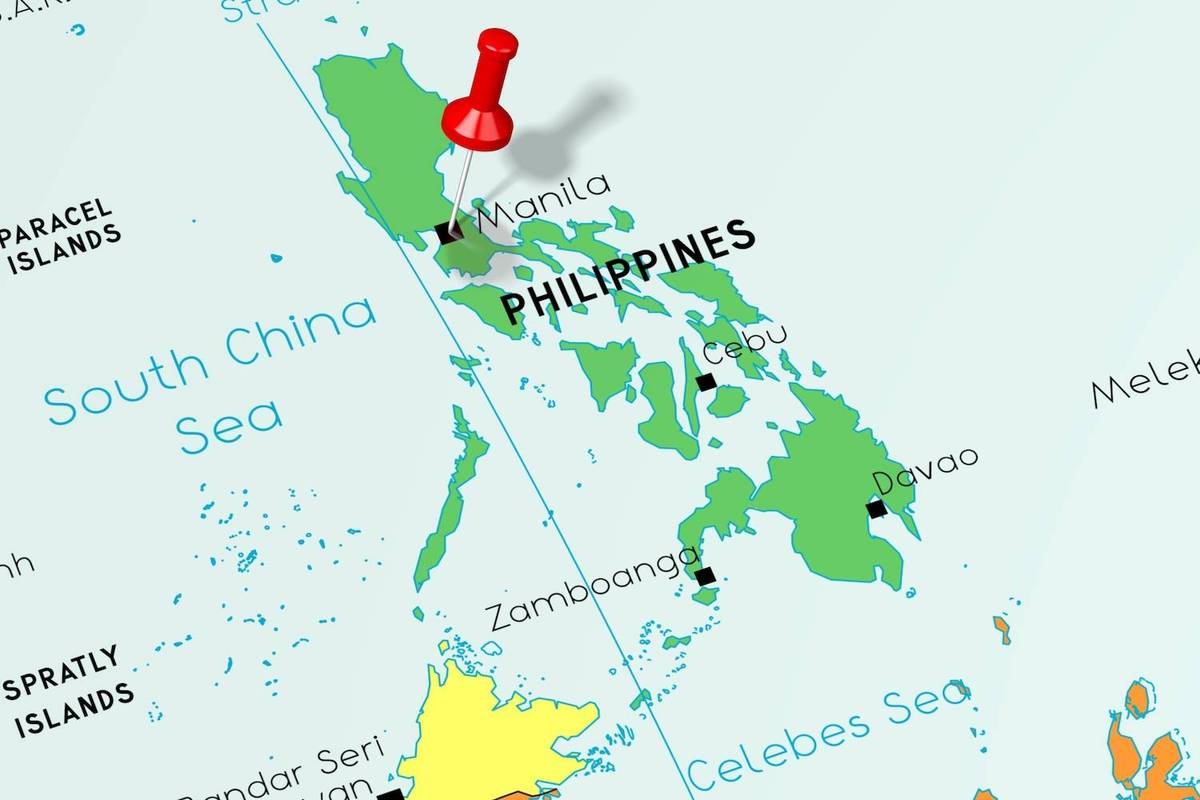
PX Media / Adobe Stock
Canadian miner OceanaGold (TSX:OGC) has committed US$1.9 billion to expand and extend the operational lifespan of its flagship Didipio gold and copper mine in the Philippines.
The investment will push the operational life of the high-grade Didipio project, located across the provinces of Nueva Vizcaya and Quirino, to 2037.
The extension overrides the company’s 2023 technical report, which had previously slated the mine for closure in 2035.
“More jobs and local growth are expected as an expansion worth US$1.9 billion is set to strengthen the Philippine mining ecosystem following the President's productive meeting with Oceanagold Corp.,” the office stated.
The Didipio project, acquired by OceanaGold through a 2006 merger with Climax Mining, ranks as the Philippines' second-largest producer of gold and copper.
The site achieved commercial production in 2013 and operated strictly as an open pit until transitioning to underground mining in 2018.
The upcoming US$1.9 billion capital injection will allow the company to assess opportunities to increase underground extraction rates while continuing to process blended ore stockpiled from the earlier open-pit phase.
The pledge anchors the asset's future just weeks after the country's Supreme Court dismissed the firm's prolonged dispute over historical excise taxes.
On June 18, the Supreme Court released a penned decision denying OceanaGold’s claims for a combined US$3.3 million refund on excise taxes paid between 2013 and 2014.
The litigation centered on the interpretation of the "recovery period" defined in the company's Financial and Technical Assistance Agreement (FTAA) originally executed in 1994.
Under the framework, OceanaGold was exempt from excise taxes for up to five years from the start of commercial operations to allow for the recovery of pre-operating and exploration expenditures.
OceanaGold paid the taxes under protest, arguing the 2008 market delays constituted a force majeure event that justified deferring the tax-exempt recovery period. The Supreme Court rejected this argument, ruling that the company failed to present adequate evidence to substantiate the claim and could not unilaterally alter the contract's strict timetable.
Don’t forget to follow us @INN_Resource for real-time news updates!
Securities Disclosure: I, Giann Liguid, hold no direct investment interest in any company mentioned in this article.
https://x.com/giannliguid
https://www.linkedin.com/in/giannliguid/
Giann Liguid is a graduate of Ateneo De Manila University with an AB in Interdisciplinary Studies. With a diverse writing background, Giann has written content for the security, food and business industries. He also has expertise in both the public and private sectors, having worked in the government specializing in local government units and administrative dynamics.
When he is not chasing the next market headline, Giann can most likely be found thrift shopping for his dogs.
When he is not chasing the next market headline, Giann can most likely be found thrift shopping for his dogs.
INN Article Notification
Latest News
Outlook Reports world
Featured Gold Investing Stocks





Browse Companies
MARKETS
COMMODITIES
CURRENCIES
Giann Liguid is a graduate of Ateneo De Manila University with an AB in Interdisciplinary Studies. With a diverse writing background, Giann has written content for the security, food and business industries. He also has expertise in both the public and private sectors, having worked in the government specializing in local government units and administrative dynamics.
When he is not chasing the next market headline, Giann can most likely be found thrift shopping for his dogs.
Learn about our editorial policies.