The Conversation (0)
ITC Ruling Blocks Proposed Tariffs on Chinese Graphite
Mar. 16, 2026 12:00PM PST
The commission’s negative vote means the tariffs will not be imposed and the Commerce Department will remove the proposed duties.
Iurii Gagarin / Stock
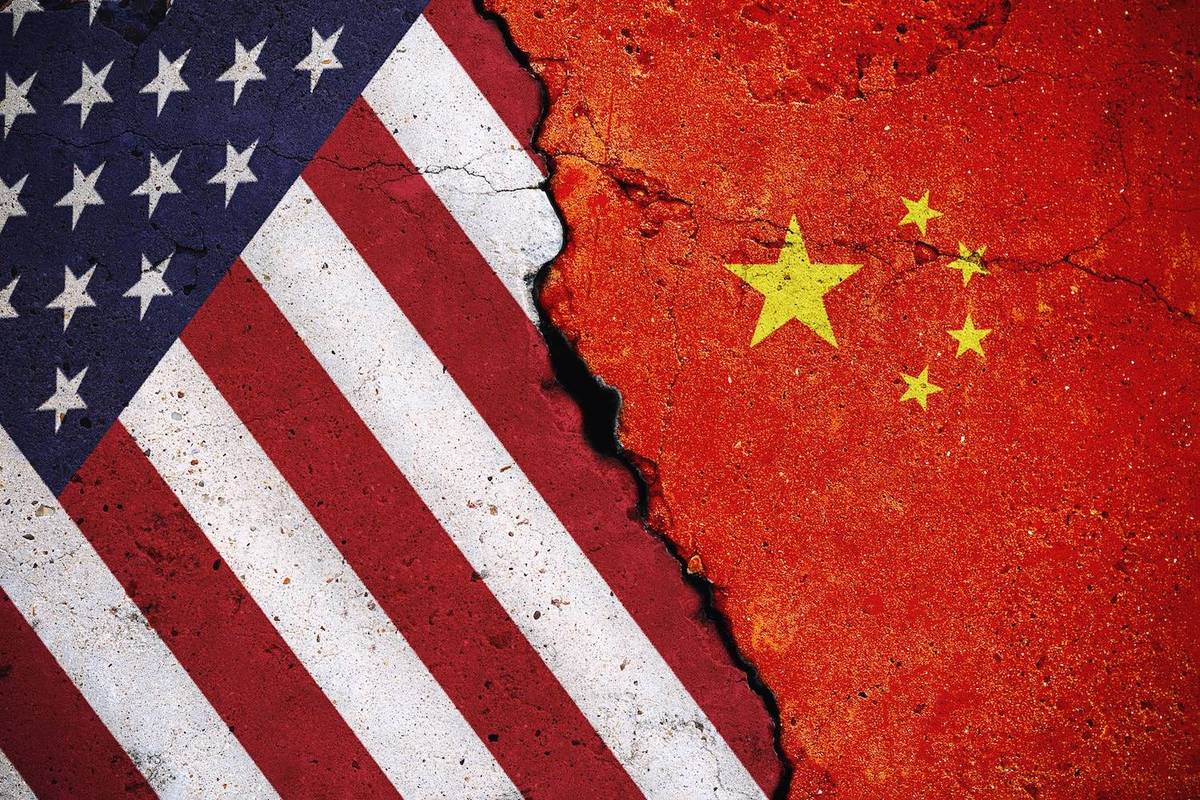
A US trade investigation into Chinese graphite anode materials ended this month without tariffs after the US International Trade Commission (ITC) ruled that imports from China were not harming the development of a domestic industry.
In a final vote issued March 12, the commission determined that imports of graphite active anode material (AAM) from China “did not materially injure or threaten the establishment of the US domestic industry,” meaning the anti-dumping and countervailing duties identified by Commerce will not take effect.
The ruling ends a trade dispute that began in December 2024 when the American Active Anode Material Producers coalition (AAAMP) filed a petition accusing Chinese suppliers of selling graphite anodes at unfairly low prices and benefiting from state subsidies.
The decision halts duties that had been proposed by the US Department of Commerce earlier this year and removes the threat of tariffs that could have exceeded 160 percent on some Chinese graphite imports.
Graphite anodes are a key component in lithium-ion batteries used in electric vehicles and energy storage systems. The material is the largest component in the anode of lithium-ion batteries by weight and is considered essential to the growing global battery industry.
Trade investigation timeline
In January 2025, the Department of Commerce launched anti-dumping and countervailing duty investigations into imports of graphite active anode material from China. Preliminary findings later that year concluded that Chinese producers had received subsidies and were selling the materials at unfair prices.
In May 2025, Commerce issued preliminary countervailing duties ranging from 712.03 percent to 721.03 percent for certain companies, with a separate rate of 6.55 percent applied to other exporters.
Two months later, Commerce imposed preliminary anti-dumping duties of 93.50 percent on individually examined companies and 102.72 percent on other Chinese exporters.
The department confirmed those findings in its final determination on February 11, 2026.
Under the final Commerce ruling, anti-dumping duties remained unchanged at 93.50 percent for investigated companies and 102.72 percent for other exporters. Countervailing duties were set at roughly 66.82 percent to 66.86 percent.
Combined, the measures would have resulted in tariffs of roughly 160 percent on certain imports and nearly 170 percent for other exporters.
Industry reactions
Domestic producers seeking trade protection expressed disappointment with the outcome.
“This outcome is disappointing for domestic producers who were seeking trade relief in order to create a more level playing field with their Chinese competitors,” said AAAMP spokesperson Erik Olson in a recent statement.
Olson added that the investigation demonstrated the influence of Chinese subsidies on the global graphite market.
“The evidence produced during the investigation made one thing clear: China’s graphite industry is heavily subsidized and capable of manipulating global markets in ways that make it extraordinarily difficult for domestic producers to compete. That cannot be argued.”
Northern Graphite (TSXV:NGC,OTCQB:NGPHF), a Canadian graphite producer involved in efforts to build a Western battery materials supply chain, also reacted to the ruling.
“While we are disappointed by the outcome of this case, it is important to recognize that the development of a Western graphite industry is being supported by a range of policy initiatives and industry investments,” said CEO Hugues Jacquemin.
Graphite is considered one of the most important battery materials because of its role in lithium-ion anodes. Each electric vehicle battery typically contains significant quantities of graphite in both natural and synthetic forms.
Despite its importance, the US currently relies heavily on imports for graphite supply.
According to the US Geological Survey, the country does not mine natural graphite domestically and has historically relied entirely on imports to meet demand.
Don't forget to follow us @INN_Resource for real-time updates!
Securities Disclosure: I, Giann Liguid, hold no direct investment interest in any company mentioned in this article.
https://x.com/giannliguid
https://www.linkedin.com/in/giannliguid/