
The Conversation (0)
- WORLD EDITIONAustraliaNorth AmericaWorld
Canadian LNG has emerged as a potential lifeline for Europe, but Tehran’s abrupt Strait of Hormuz reversal is forcing buyers to weigh trust against geography.
Robert / Adobe Stock
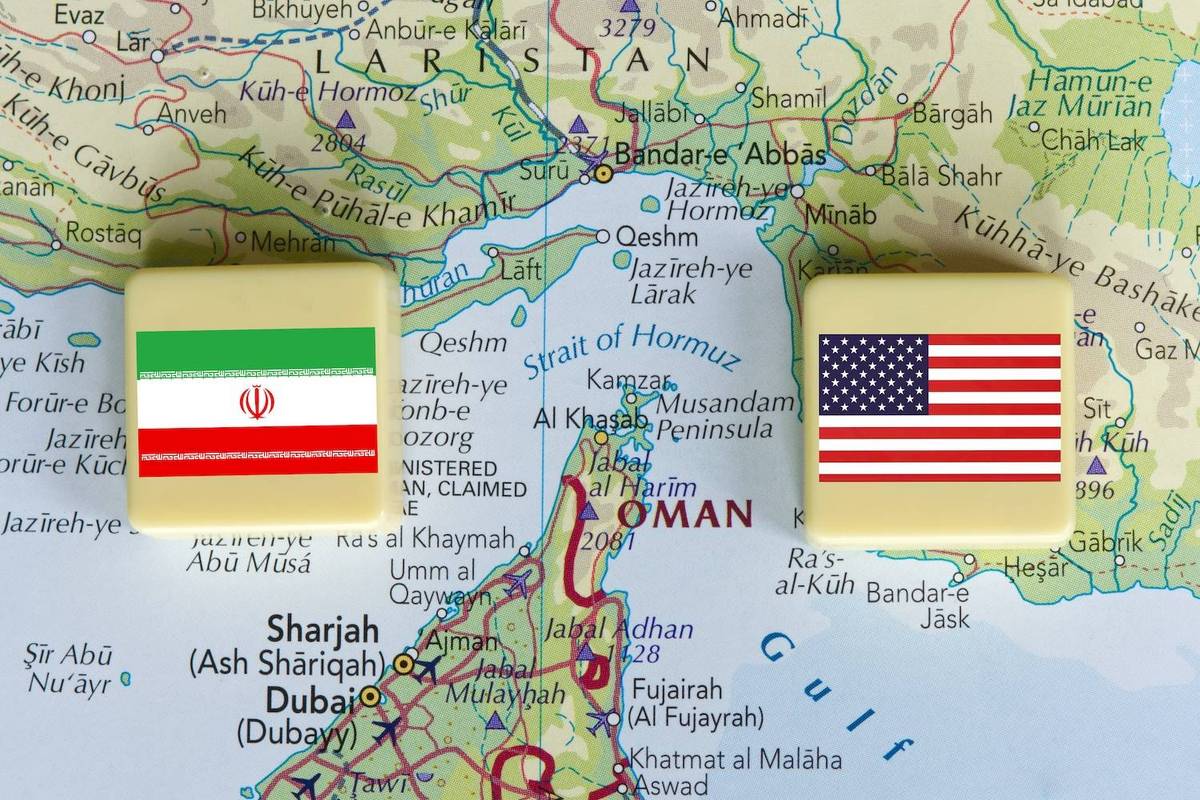
In a sudden diplomatic turn, Iran announced on Friday (April 17) that it would reopen the Strait of Hormuz, ending a nearly two month blockade that had crippled energy shipments from the Persian Gulf.
The decision followed weeks of heightened military tensions and a brief but disruptive conflict that began in February.
Yet even as the trade corridor reopened, skepticism ran deep among European and Asian buyers.
US President Trump responded to the announcement by vowing to continue blockading Iranian ports, signaling that Washington does not view the crisis as resolved. The mixed messages left global energy traders in a state of cautious uncertainty, with prices remaining volatile despite the easing of the immediate transit ban.
Recently, European energy buyers, including Germany’s state-owned Uniper, have been exploring the potential of purchasing liquefied natural gas (LNG) from Canada’s Pacific coast, weighing the costs of shipping the material through the Panama Canal to bypass the blocked Strait of Hormuz.
The shutdown of Qatari facilities following the outbreak of the Iran war in February has triggered a global supply shock, driving March benchmark prices up by over 60 percent in Europe and 90 percent in Asia-Pacific markets.
Three sources familiar with the matter told Reuters that European buyers have engaged in commercial talks with Ksi Lisims LNG, a proposed export terminal in Northwestern BC.
The backers are working to finalize offtake contracts ahead of a final investment decision expected this year. Shell (NYSE:SHEL) and TotalEnergies (NYSE:TTE) have already signed 20 year purchase agreements with the facility.
Historically, Canada’s LNG sector has been strictly geared toward Asian markets. Shipping to Europe from the west coast requires navigating the Panama Canal, which increases tolls and transit times.
Canada currently lacks east coast export infrastructure beyond Repsol’s terminal in Saint John. However, the Middle East conflict has altered the risk calculus for buyers seeking stable jurisdictions.
“Since the war in Iran started, there has been especially strong interest in (Ksi Lisims) offtake from LNG buyers all around the world, including from Europe,” a source familiar with the Ksi Lisims project said.
Uniper relied on the US for 96 percent of its LNG imports last year. Ksi Lisims is now being viewed as a potential avenue to diversify that supply.
Capitalizing on the supply gap
While Ksi Lisims will take years to build, Canadian officials and executives are pushing to expedite a backlog of domestic projects to capture market share from the US.
The US has opened eight LNG terminals since 2016 and expects four more by 2028.
In a recent webcast speech to the Canadian Club of Ottawa, TC Energy (TSX:TRP,NYSE:TRP) CEO François Poirier warned that Canada must move faster.
“Geopolitical events have presented Canada with a generational opportunity,” he said. “But to seize it, Canada must improve competitiveness and attract global capital to build big things again.”
TC Energy operates the Coastal GasLink pipeline, which supplies LNG Canada in Kitimat, BC.
The facility, Canada's first active LNG export terminal, began shipping to Asia last June. The pipeline will also supply the Cedar LNG project, currently under construction alongside the Woodfibre LNG facility near Squamish. Despite being the world’s fifth largest producer of natural gas, Canada ranked 19th out of 24 LNG-exporting nations last year.
“The US continues to lead in the race to meet global LNG demand — a race Canada should be winning with its proximity to Asia and abundant low-cost natural gas supply,” Poirier said.
To accelerate development, Prime Minister Mark Carney’s government has referred several facilities to the federal Major Projects Office. Ksi Lisims was added to the fast-track roster in November, following LNG Canada’s Phase 2 expansion plan in September.
Don’t forget to follow us @INN_Resource for real-time news updates!
Securities Disclosure: I, Giann Liguid, hold no direct investment interest in any company mentioned in this article.
https://x.com/giannliguid
https://www.linkedin.com/in/giannliguid/
Giann Liguid is a graduate of Ateneo De Manila University with an AB in Interdisciplinary Studies. With a diverse writing background, Giann has written content for the security, food and business industries. He also has expertise in both the public and private sectors, having worked in the government specializing in local government units and administrative dynamics.
When he is not chasing the next market headline, Giann can most likely be found thrift shopping for his dogs.
When he is not chasing the next market headline, Giann can most likely be found thrift shopping for his dogs.
INN Article Notification
Latest News
Outlook Reports
Featured Oil and Gas Investing Stocks


Browse Companies
MARKETS
COMMODITIES
CURRENCIES
Giann Liguid is a graduate of Ateneo De Manila University with an AB in Interdisciplinary Studies. With a diverse writing background, Giann has written content for the security, food and business industries. He also has expertise in both the public and private sectors, having worked in the government specializing in local government units and administrative dynamics.
When he is not chasing the next market headline, Giann can most likely be found thrift shopping for his dogs.
Learn about our editorial policies.