
The Conversation (0)
- WORLD EDITIONAustraliaNorth AmericaWorld
Once operational, the facility will make Kazakhstan the world’s second largest producer of gallium, a metal critical to semiconductors, electronics and advanced defense and energy technologies.
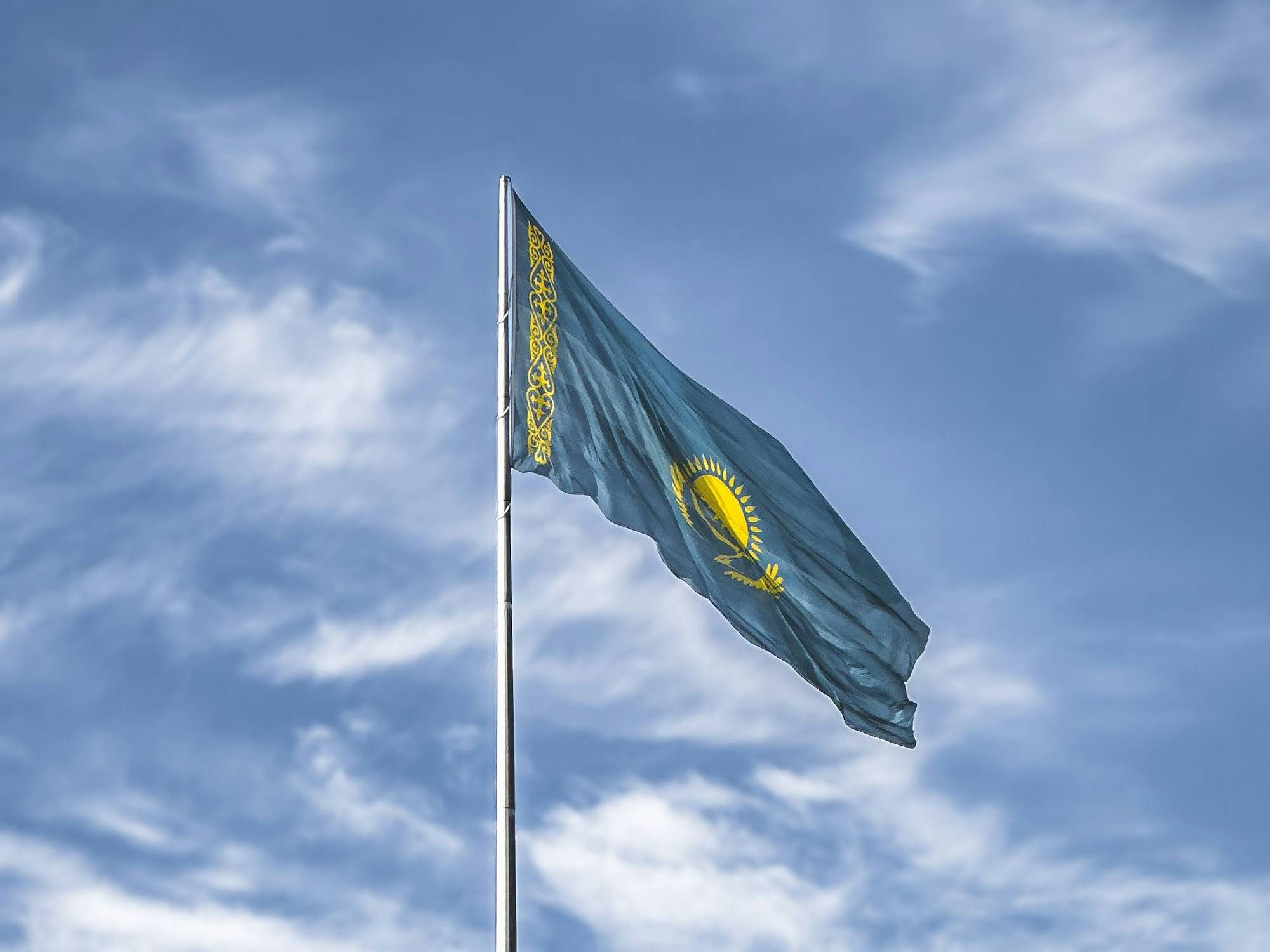
Darkhan Kussainov / Unsplash
Kazakhstan could be set to emerge as a key player in critical minerals and low-carbon metals as Eurasian Resources Group (ERG) moves ahead with gallium and iron projects in the country.
During President Kassym-Jomart Tokayev’s state visit to Japan, ERG signed a long-term agreement to supply gallium to Mitsubishi Corporation RtM Japan, marking the launch of Kazakhstan’s first commercial gallium production facility.
The project, which will require more than US$20 million in investment, is expected to begin production in the third quarter of 2026 and will have an annual output level of 15 metric tons.
Once operational, the facility will make Kazakhstan the world’s second largest producer of gallium, a metal critical to semiconductors, electronics and advanced defense and energy technologies.
The gallium plant will be built using process solutions from the Pavlodar aluminum plant, part of Aluminium of Kazakhstan, and will deploy proprietary technology developed by ERG’s in-house research and development team.
According to the company, the process enables gallium recovery from extremely low-grade ores while improving alumina quality and reducing material losses.
Global gallium production totaled about 760 metric tons last year, as per the US Geological Survey. The majority of supply originates from China, with only small amounts produced in countries like Japan, South Korea and Russia.
That concentration has raised concerns among governments and manufacturers, particularly after Beijing imposed export restrictions on several critical metals. Last month, China said it had suspended a ban on exports of gallium, antimony and germanium to the US following a meeting between Presidents Xi Jinping and Donald Trump.
The materials remain subject to broader controls that require exporters to obtain licenses from Chinese authorities.
The gallium agreement follows another major ERG announcement earlier this week. The mining firm announced that it has signed a strategic contract with Midrex Technologies and Primetals Technologies for the construction of a 2 million metric ton per year hot briquetted iron (HBI) plant in Rudny, located in Kazakhstan’s Kostanay region.
The project, which carries a total investment exceeding US$1.2 billion, will be the country’s first HBI facility and one of the largest next-generation metallurgy plants in Central Asia.
Don’t forget to follow us @INN_Resource for real-time news updates!
Securities Disclosure: I, Giann Liguid, hold no direct investment interest in any company mentioned in this article.
https://x.com/giannliguid
https://www.linkedin.com/in/giannliguid/
Giann Liguid is a graduate of Ateneo De Manila University with an AB in Interdisciplinary Studies. With a diverse writing background, Giann has written content for the security, food and business industries. He also has expertise in both the public and private sectors, having worked in the government specializing in local government units and administrative dynamics.
When he is not chasing the next market headline, Giann can most likely be found thrift shopping for his dogs.
When he is not chasing the next market headline, Giann can most likely be found thrift shopping for his dogs.
INN Article Notification
Latest News
Outlook Reports
Featured Critical Minerals Investing Stocks
Browse Companies
MARKETS
COMMODITIES
CURRENCIES
Giann Liguid is a graduate of Ateneo De Manila University with an AB in Interdisciplinary Studies. With a diverse writing background, Giann has written content for the security, food and business industries. He also has expertise in both the public and private sectors, having worked in the government specializing in local government units and administrative dynamics.
When he is not chasing the next market headline, Giann can most likely be found thrift shopping for his dogs.
Learn about our editorial policies.