The gold price took a hit this week, dropping from close to US$4,300 per ounce to a low point of around US$4,115 before staging a slight recovery.
Silver fared much the same, falling to just above US$60 per ounce.
The precious metals' early week decline came as a continued standoff between the US and Iran pushed oil prices higher, raising worries about inflation and boosting expectations for another interest rate hike at the US Federal Reserve's end-of-October meeting.
These concerns cooled later in the period after the release of the latest US personal consumption expenditures (PCE) price index report. PCE, which is the Fed’s preferred measure of inflation, was up 0.3 percent month-on-month in August, and 3.4 percent year-on-year. The lower-than-expected numbers follow downward revisions for July after a change in methodology.
Also at play this week was continued turmoil in the bond market, with 10 and 30 year treasury yields hitting their highest levels since 2002 after the release of US manufacturing data.
Treasury yields and prices have an inverse relationship, meaning that the jump in yields was accompanied by a wave of selling — that's a sign that sector participants remain wary of the long-term effects of inflation despite recent readings.
The Fed's next meeting is set to run from October 28 to 29, and CME Group's (NASDAQ:CME) FedWatch tool currently shows expectations are skewed toward a hold.
Beaver Creek takeaways
On the note of gold, I want to share a few takeaways from this year's Precious Metals Summit in Beaver Creek. The event ran from September 22 to 25, and for me the key message was that it's the long-term drivers, not short-term events, that matter the most for the yellow metal.
Those big-picture elements include elevated central bank gold demand, the ever-increasing debt burden in the US and global geopolitical tensions.
That said, a number of the people I spoke with did say gold's reaction to the Fed’s September rate hike was important. Paul Brink of Franco-Nevada (TSX:FNV,NYSE:FNV) summed it up well:
"We've just seen a very interesting inflection point. Just in recent days, the Fed raised rates, and (what's) very typical for a US financial investor (is) rates up, bonds are more attractive and you see selling in gold. And we saw the reverse — rates went up and gold prices went up. I think it is a really important inflection point that points to the fact that people are now focused on different drivers, and if there was a single thing, it was US debt topping US$40 trillion.
"I think that has really changed the dynamic there, and it's moved to the point of higher rates means the cost of servicing the debt is higher. So it really has changed the dynamic, and so I think we may be in the early days of this run in gold prices."
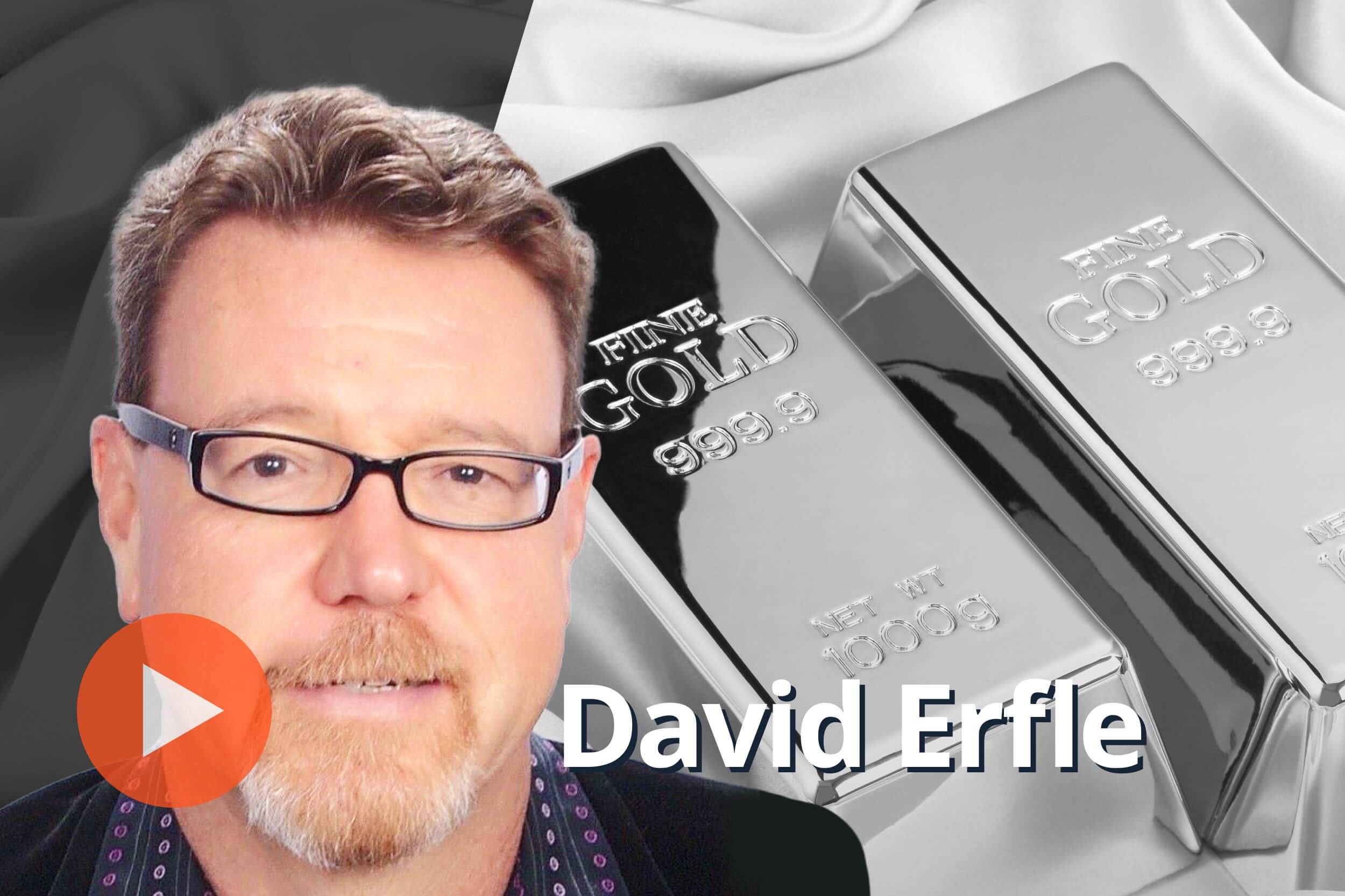
David Erfle of Junior Miner Junky took it a step further, saying that when the Fed starts hiking rates, that's historically when gold bottoms and begins to turn around:
"The gold price always loves to sell off into the threat of a rate hike. It's telegraphed and talked about and expected, and every single time they start raising rates, that's when gold bottoms and starts to go up again.
"I mean, it happened in late 2015. Janet Yellen was saying, 'We're going to raise rates.' You know, all the Fed heads came out (saying), 'We're going to raise rates.' They raised rates. Remember, the gold price was flirting with going below US$1,000, and everybody thought, 'Oh, gold's going to go below US$1,000, the Fed's going to raise rates.' And what happened? Within the next six months, after the first rate hike, gold went up 30 percent and the miners went up 150 percent for five times leverage."
Click here to see our full playlist from Beaver Creek.
Want more YouTube content? Check out our expert market commentary playlist, which features interviews with key figures in the resource space. If there's someone you'd like to see us interview, please send an email to cmcleod@investingnews.com.
And don't forget to follow us @INN_Resource for real-time updates!
Securities Disclosure: I, Charlotte McLeod, hold no direct investment interest in any company mentioned in this article.
Editorial Disclosure: The Investing News Network does not guarantee the accuracy or thoroughness of the information reported in the interviews it conducts. The opinions expressed in these interviews do not reflect the opinions of the Investing News Network and do not constitute investment advice. All readers are encouraged to perform their own due diligence.