

The Conversation (0)
- WORLD EDITIONAustraliaNorth AmericaWorld
May. 21, 2026 02:00PM PST
Tether has become one of the largest non-sovereign owners of physical gold reserves in the world, raising questions about how it could impact the market moving forward.
maurice norbert / Adobe Stock
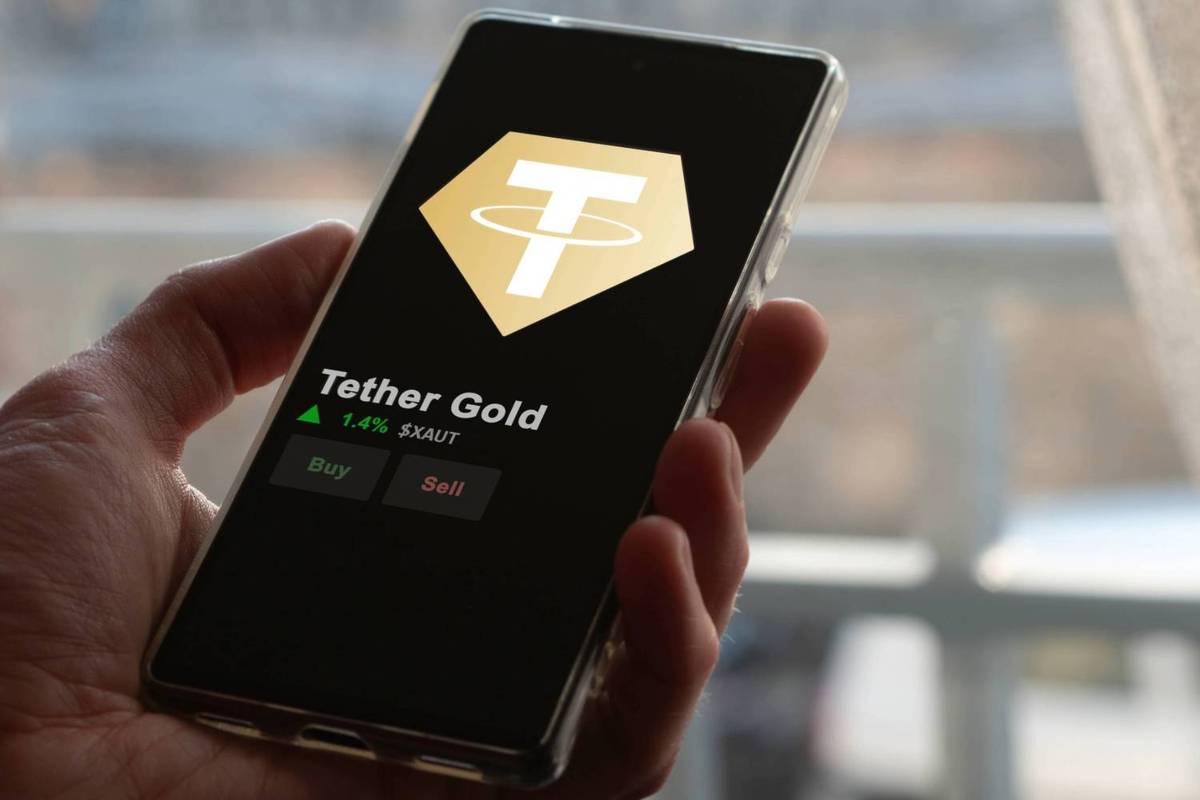
Gold is becoming more mainstream with the help of blockchain technology.
With global instability on the rise, safe-haven assets such as gold have become increasingly attractive, while high-risk, high-reward cryptocurrencies such as Bitcoin are proving to be too volatile for investors with a low appetite for risk.
Hence the rise in popularity of stablecoins such as Tether Gold (XAUT), launched in 2020 by Tether.
The company is now one of the world’s largest non-sovereign owners of physical gold reserves, and has taken stakes in a number of gold companies, raising questions about its impact on the yellow metal moving forward.
What is Tether?
Tether is the most dominant player in the stablecoin market.
Stablecoins are a type of cryptocurrency designed to maintain price stability. This is done by pegging each token to a reserve asset, such as a fiat currency (e.g. the US dollar) or a commodity (e.g. gold).
For example, Tether's USDT token has a 1:1 US dollar peg, meaning 1 USDT is equal to US$1; each unit is backed by reserves held by Tether, primarily in the form of cash equivalents and US treasury bills. With a circulating supply of 189.8 billion, the dollar-backed USDT is by far the largest stablecoin by market cap.
The USDT token can move across various blockchains (e.g. Ethereum, Tron, Solana) and is traded on nearly all major crypto exchanges, including Kraken, Coinbase Global (NASDAQ:COIN) and the Bitfinex exchange.
Tether Gold stablecoins
Gold-backed stablecoins like Tether Gold or Paxos Trust Company's PAX Gold are a bridge between traditional precious metals and digital assets. They allow holders to own digital tokens that are redeemable for physical gold.
Each Tether Gold stablecoin is fully backed 1:1 by one fine troy ounce of gold on a physical bar of gold that meets London Bullion Market Association standards for Good Delivery.
This means verified holders of XAUT have the right to redeem their tokens for physical gold. The value of this digital version of gold bullion tracks price movements within the global gold market.
Besides being a vehicle for wealth preservation, Tether Gold has many real-world applications, including: collateral for loans or borrowing other stablecoins like USDT; earning passive interest via lending on decentralized platforms; quick cross-border money transfers that bypass traditional banking; and everyday ecommerce and trading.
Traded on the same exchanges as the USDT token, there are roughly US$3.3 billion worth of Tether gold tokens in circulation backed by 22 metric tons of physical gold, Reuters reported in early May.
Gold stablecoins and the CLARITY Act
In comparison to fiat-backed stablecoins, gold-backed stablecoins may have an advantage if the Digital Asset Market Clarity (CLARITY) Act passes and becomes law in the US. The CLARITY Act is a major piece of cryptocurrency market legislation currently in the Senate. It’s aimed at defining which digital assets are commodities versus securities.
The act includes a ban on passive stablecoin yield for US regulated issuers to protect banks; however, that may not affect Tether given that its headquarters are in El Salvador and it doesn’t provide yield on its products.
That being said, investors can earn yield on USDT through a variety of cryptocurrency platforms by lending their stablecoins to borrowers or by participating in decentralized finance liquidity pools.
Under the CLARITY Act’s framework, gold-backed tokens like XAUT may qualify as digital commodities rather than securities, which would place them under the jurisdiction of the Commodity Futures Trading Commission rather than the US Securities and Exchange Commission.
Tether amassing massive gold reserves
Last year, Tether became a significant buyer of gold to not only back its XAUT stablecoin, but also to beef up its reserves to serve as secondary hard collateral support for its USDT stablecoin.
According to Reuters, while the majority of the reserves backing USDT as of March 1 were US treasury bills worth about US$117 billion, the reserves also include about US$19.8 billion in physical gold and US$7 billion in Bitcoin.
All in, Tether’s gold reserves total 154 metric tons.
“If it was a central bank, it would be among the top 20 countries by gold reserves, behind Brazil, which, according to the World Gold Council's data, owns 172 tons,” points out Reuters precious metals correspondent Polina Devitt.
Tether’s significant stake in gold royalty and streaming
Tether’s gold-related assets are not limited to physical gold holdings.
In the past few years, the company has bought stakes in a number of gold royalty and streaming firms, including Gold Royalty (NYSEAMERICAN:GROY), Metalla Royalty & Streaming (TSXV:MTA,NYSE:MTA) and Versamet Royalties (TSX:VMET,NASDAQ:VMET). Its largest ownership position is in Elemental Royalty (TSX:ELE,NASDAQ:ELE), in which it holds 32 percent of shares, making it a cornerstone shareholder.
Elemental recently announced plans to acquire Vizsla Royalties (TSXV:VROY,OTCQX:VROYF), gaining long-term exposure to the Mexico-based Panuco silver-gold project for its investors.
“I like the fact for Elemental that they have access to as much capital as they need from Tether,” Jordan Rusche of Mining Stock Monkey told the Investing News Network (INN) in a May interview.
“Tether has very deep pockets in the tens of billions of dollars. So if Elemental finds any deal around the world that they need lots of cash for, they can get that cash," he added.
As a caveat, Rusche expressed feeling uncomfortable with Tether's representation on Elemental’s board instead of those with technical and financial expertise in the mining industry.
Tether Gold versus physical gold
Investing in gold-backed digital assets has some advantages over direct investment in physical gold.
For one, there are no ongoing storage costs outside of a one-time purchase fee. Typically, the storage fees for physical gold, which include vaulting and insurance, can be quite high.
Another major bonus is significantly better liquidity. While physical gold requires days or weeks to trade and transport, digital gold tokens can be traded and transferred in seconds at any time of day via global crypto exchanges.
Speaking to INN in March, Garrett Goggin of Golden Portfolio noted that a common criticism of gold as a store of wealth is its divisibility. You can’t merely shave off a piece of your gold bar to pay for a loaf of bread or a cup of coffee.
However, Goggin pointed out that Tether Gold stablecoins help to solve that problem.
“The combination of gold, the world's best store value for 1,000 years, combined with crypto’s frictionless exchange and the ability to transfer instantaneously, makes it the world's ultimate currency," he said.
Tether's impact on the gold market
With Tether purchasing more gold in 2025 than any central bank except Poland and picking up an additional 6.1 metric tons of the yellow metal in Q1 2026, the company could have a meaningful impact on the broader gold market.
The more users there are of its stablecoin products, the more gold assets Tether will likely purchase to back them. That means Tether’s gold purchases could aid in building out a stronger price for gold.
However, with so much gold concentrated under the control of a single entity, Tether also poses a risk to the gold market. For example, there’s no clear picture as to how it would manage a massive run of stablecoin holders looking to redeem their tokens for physical gold, or the need to sell off its own holdings in the event of a large liquidity crunch.
Investor takeaway
Tether Gold represents a significant shift in how precious metals are held and traded, effectively bridging the gap between traditional gold investment and the digital economy. By offering enhanced liquidity and solving the issue of divisibility, gold-backed stablecoins provide a modern alternative to physical bullion ownership.
However, as Tether amasses reserves that rival those of sovereign central banks, its presence creates a dual impact on the market: while its consistent purchasing power can provide price support, the high concentration of gold under a single private entity introduces new risks that investors and regulators alike must navigate as the sector matures.
Don't forget to follow us @INN_Resource for real-time updates!
Securities Disclosure: I, Melissa Pistilli, hold no direct investment interest in any company mentioned in this article.
Editorial Disclosure: The Investing News Network does not guarantee the accuracy or thoroughness of the information reported in the interviews it conducts. The opinions expressed in these interviews do not reflect the opinions of the Investing News Network and do not constitute investment advice. All readers are encouraged to perform their own due diligence.
From Your Site Articles
- How Stablecoins are Changing the Financial Industry ›
- Elemental Altus and EMX Royalty to Merge in US$100 Million Tether-backed Deal ›
- Crypto Market Update: Tether Doubles Down With US$150 Million Gold.com Stake ›
Related Articles Around the Web
https://x.com/INN_Resource
https://www.linkedin.com/in/melissa-pistilli-865271a9/
mpistilli@investingnews.com
Melissa Pistilli has been reporting on the markets and educating investors since 2006. She has covered a wide variety of industries in the investment space including mining, cannabis, tech and pharmaceuticals. She helps to educate investors about opportunities in a variety of growth markets. Melissa holds a bachelor's degree in English education as well as a master's degree in the teaching of writing, both from Humboldt State University, California.
INN Article Notification
Latest News
Outlook Reports
Featured Gold Investing Stocks




Browse Companies
MARKETS
COMMODITIES
CURRENCIES
Melissa Pistilli has been reporting on the markets and educating investors since 2006. She has covered a wide variety of industries in the investment space including mining, cannabis, tech and pharmaceuticals. She helps to educate investors about opportunities in a variety of growth markets. Melissa holds a bachelor's degree in English education as well as a master's degree in the teaching of writing, both from Humboldt State University, California.
Learn about our editorial policies.