The Conversation (0)
Beyond Oil, Middle East Crisis Ripples Across Global Commodities
Mar. 12, 2026 07:50AM PST
While the ultimate economic impact will depend on how long the conflict lasts, current disruptions on supply chains and economic networks suggest the war’s consequences are likely to extend far beyond the energy sector.
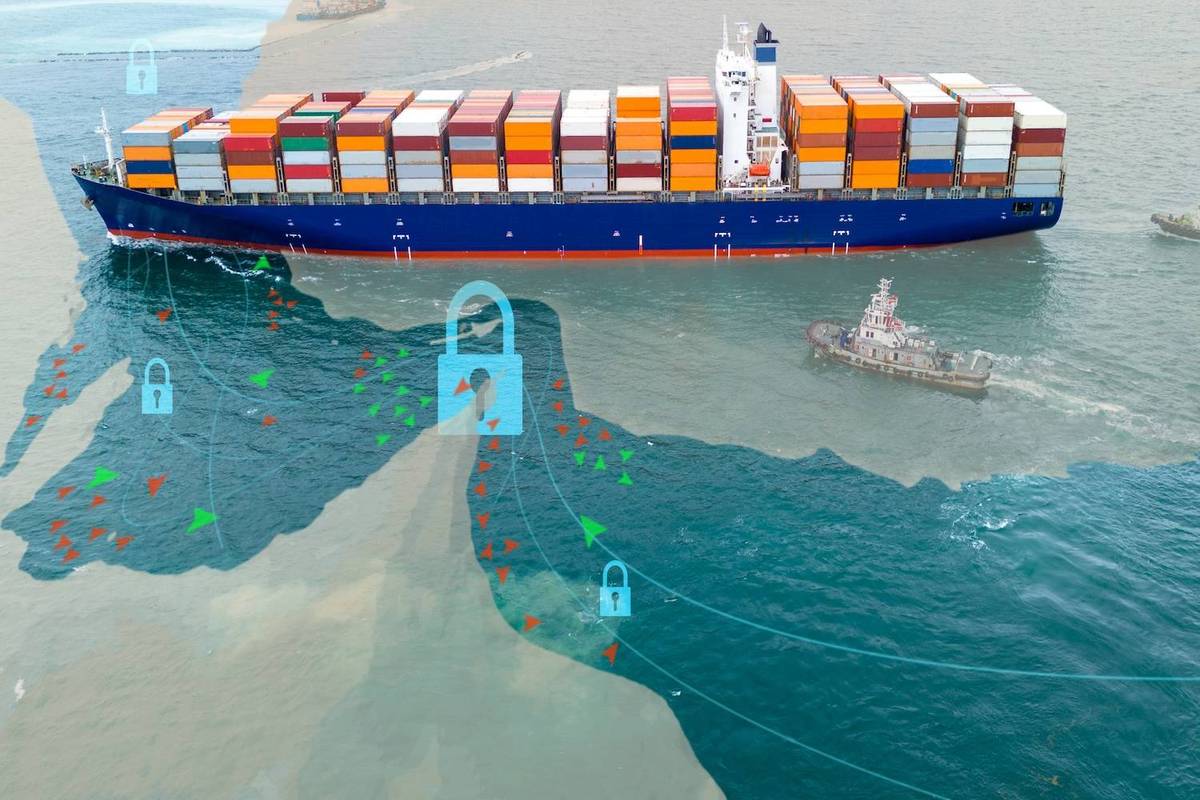
Yellow Boat / Adobe Stock
The war raging in the Middle East is sending shock waves across global commodity markets, disrupting far more than just oil and gas.
As the conflict enters its second week, the near shutdown of shipping through the Strait of Hormuz is beginning to affect a wide range of materials essential to manufacturing, agriculture, and food supply chains.
The Strait of Hormuz normally carries about one-fifth of global oil and liquefied natural gas (LNG) shipments, but tanker traffic has slowed sharply as vessels avoid the region amid security concerns following US–Israeli strikes on Iran that began in late February.
Benchmark oil prices reacted immediately, surging toward US$120 per barrel as tensions escalated. Reports that the International Energy Agency was coordinating a release of strategic petroleum reserves helped pull prices back below US$95.
Prices rebounded again Thursday (March 12) as the conflict continued, with markets adding a geopolitical risk premium amid tanker disruptions, reduced regional output and growing concerns that prolonged instability could significantly tighten global supply.
The disruption is now spilling into markets that depend heavily on shipping routes and industrial production across the Persian Gulf.
Aluminum faces tightening global supply
One of the earliest commodity markets to react has been aluminum. Prices for the lightweight industrial metal climbed to their highest level since April 2022 as the conflict threatens shipments from Middle Eastern producers.
The region accounts for roughly 8 to 9 percent of global aluminum output, according to industry data, and many smelters rely on raw materials that must be imported through the Strait of Hormuz.
The interruption of shipping routes has already forced some producers to cut output and delayed exports from major facilities in countries such as Qatar and Bahrain.
In addition, Aluminium Bahrain (LSE:78QZ) has recently invoked force majeure on some shipments after traffic through Hormuz effectively stalled. It said the measure was tied to transit disruptions rather than damage to its smelter operations.
The aluminum market is particularly sensitive to supply disruptions because the metal is used across a wide range of industries, including automotive manufacturing, construction, appliances and packaging.
Even short interruptions can create shortages for manufacturers that rely on tightly timed deliveries of specialized metal products. Analysts warn that continued disruptions could deepen supply shortages in a market already showing signs of tightening.
Fertilizer markets facing pressure
Roughly one-third of the world’s traded urea, the most widely used nitrogen fertilizer, normally passes through the Strait of Hormuz. The fertilizer is produced largely in the Middle East because natural gas is a key feedstock in its manufacturing.
With shipping through the strait severely disrupted, fertilizer prices have climbed sharply.
Urea prices have surged by as much as 35 percent since the conflict began, raising concerns among farmers preparing for the upcoming planting season.
Sulfur, another essential ingredient in fertilizer production and many industrial processes, is facing similar supply challenges.
Nearly half of the world’s sulfur supply is currently stranded on the Persian Gulf side of the Strait of Hormuz, according to CRU Group. Much of that material normally flows to Asia, where it is used for fertilizer production and industrial processing.
The bottleneck is raising fears that prolonged disruptions could affect global agricultural output and food prices.
Ethanol surge tightens sugar markets; helium supply at risk
In Brazil, the world’s largest producer of sugarcane, processors can use the crop to produce either sugar or ethanol fuel. When energy prices rise, mills often shift production toward ethanol, which becomes more profitable.
With oil prices jumping sharply after the outbreak of hostilities, ethanol prices rose about 10 percent early in the conflict.
That increase may encourage Brazilian mills to divert more sugarcane toward fuel production during the next harvest season, potentially tightening global sugar supplies.
Sugar futures briefly rose to a one-month high earlier in the week before easing alongside oil prices, but analysts say the direction of the market will depend largely on how long the conflict lasts.
Meanwhile, another unexpected casualty of the conflict is helium, a critical gas used in semiconductor manufacturing, medical imaging, and defense technologies.
Qatar produces roughly one-third of the world’s helium, making it the second-largest supplier after the US. But production has been disrupted following Iranian strikes on Ras Laffan Industrial City, Qatar’s main natural gas hub where helium processing facilities are located.
Phil Kornbluth, president of Kornbluth Helium Consulting, told CNBC that more than a quarter of the world’s helium supply could be cut off if the Strait of Hormuz remains closed.
Food and shipping supply chains under strain
Shipping delays and rerouted cargo vessels are already disrupting deliveries of key food commodities including rice, meat and coffee.
Since the start of the conflict, about 400,000 tons of Indian basmati rice are currently stranded at ports or aboard ships due to vessel shortages linked to the disruption in Gulf shipping routes. Cargo carrying Australian meat and Indonesian coffee has also been delayed or forced to take longer routes.
Iran, meanwhile, has temporarily banned exports of fresh fruit and vegetables, a move that could affect regional food supplies. The country has traditionally been a major supplier of produce to the United Arab Emirates.
The UAE imports roughly 80 to 90 percent of its food, making it particularly vulnerable to disruptions in shipping through the Strait of Hormuz.
Authorities in Dubai say the country currently has sufficient reserves to maintain supplies for several months and are monitoring prices to prevent shortages.
Some retailers have already begun chartering cargo aircraft to ensure that fresh food continues to reach regional markets.
The conflict is also reshaping global logistics networks as dozens of cargo ships remain stranded near the Strait of Hormuz while others have been rerouted around the conflict zone, increasing freight costs, and delivery times.
Air cargo has also been affected. Temporary closures of several airports in the region, including major aviation hubs such as Dubai, have reduced global airfreight capacity, disrupting shipments of electronics, pharmaceuticals, and precious metals.
Transportation analysts say the surge in shipping costs is reminiscent of the supply chain disruptions seen during the early stages of the COVID-19 pandemic.
Tourism industry hit hard
Beyond commodity markets, the conflict is also delivering a heavy blow to regional travel and tourism.
The World Travel & Tourism Council estimates that the war is costing the Middle East tourism industry about US$600 million per day.
The region typically processes around 526,000 airline passengers daily through major aviation hubs in Dubai, Abu Dhabi, Doha and Bahrain. But flight activity has fallen sharply as airlines cancel or reroute services due to airspace closures and security concerns.
Don't forget to follow us @INN_Resource for real-time updates!
Securities Disclosure: I, Giann Liguid, hold no direct investment interest in any company mentioned in this article.
https://x.com/giannliguid
https://www.linkedin.com/in/giannliguid/