The gold price fell below the US$4,100 per ounce level midway through the week, but recovered quickly to close Friday (October 9) near US$4,200.
Silver followed a similar trajectory, sinking as low as US$58.75 per ounce on Thursday (October 8) before bouncing back to finish the period just under US$61.
The US Federal Reserve's September meeting minutes, released on Wednesday (October 7), appear to be behind the temporary precious metals pullback.
The document shows Fed officials expect to raise interest rates again before the end of the year, although it doesn't indicate whether they see an October or December hike as more likely — as usual, participants said they will focus on responding to "incoming information."
The minutes also reveal that the full slate of 19 officials supported last month's decision to increase rates, noting that it will help support the central bank's 2 percent inflation target.
However, they were divided on other fronts, with some seeing the hike as a way to manage inflation risks, and others viewing it as necessary based on their economic outlook.
It's worth noting that the experts I've been speaking with continue to emphasize that the Fed is between a rock and a hard place when it comes to rates — in other words, cutting rates or leaving rates unchanged will cause problems, as will raising rates.
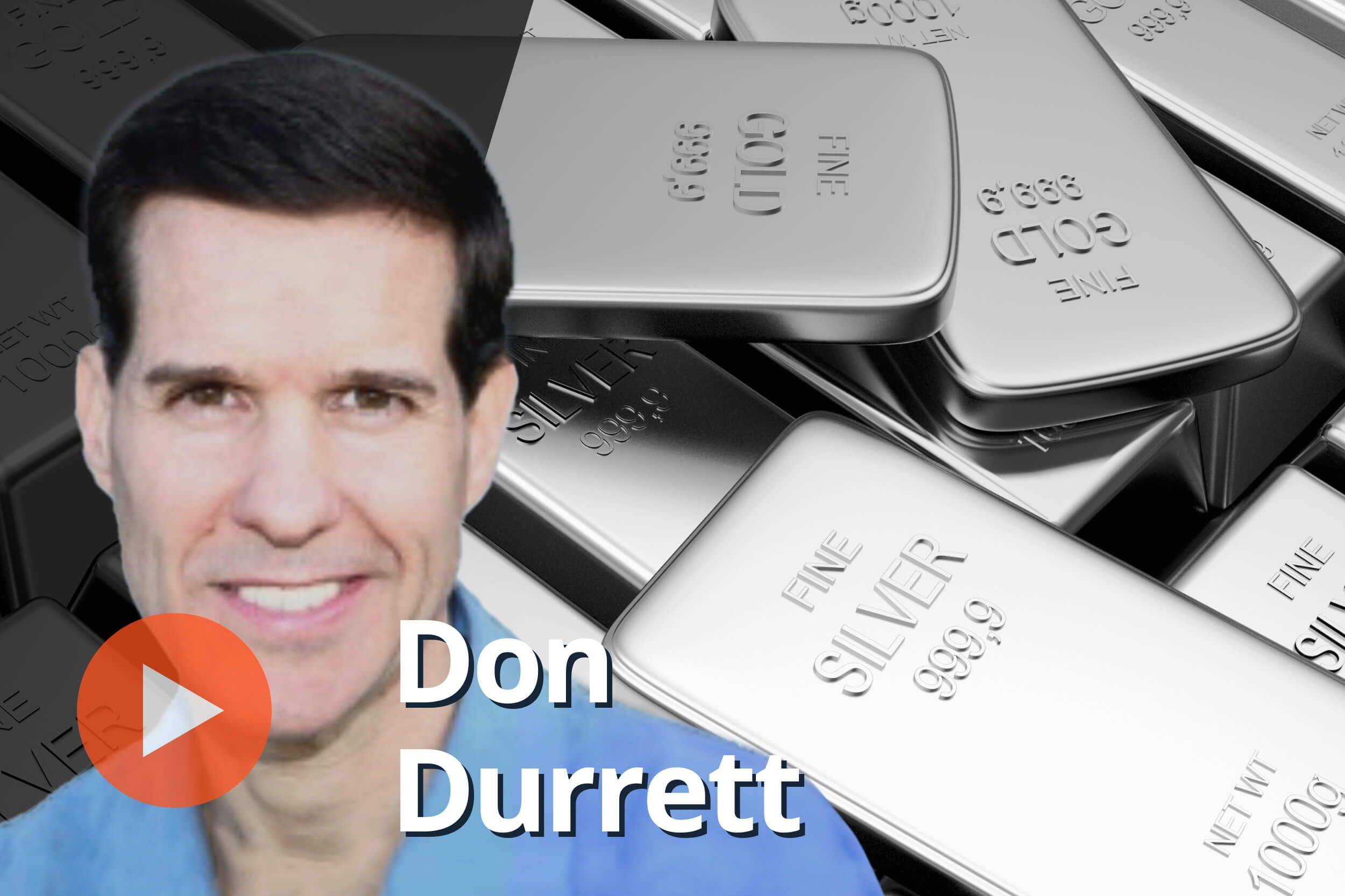
Don Durrett of GoldStockData.com describes the situation as a "doom loop," and in his view it could get out of hand faster than many expect. Here's how he explained it:
"A doom loop means that there's nothing the Fed can do. That no matter what the Fed does, it just gets worse. So if they fight inflation, the economy gets bad. If they support the economy, inflation gets bad. And then the average person starts to see there's no way out. That's what recognition of the doom loop is — there's no way out.
"Now, we've said there's no way out for the last 10 years as far as paying off the debt, but what we haven't said yet — and I'm still in the minority here — is that this is going to spiral out of control soon. There's nothing they can do."
Durrett's interview also covers how he's preparing his portfolio for this scenario, so I definitely recommend checking out the full video if you haven't already.
And as a final note on the Fed, CME Group's (NASDAQ:CME) FedWatch tool now places the odds of an October rate rise at less than 20 percent, down from just under 30 percent this time last week.
The likelihood increases substantially for the December Fed meeting.
Bullet briefing — Gold ETF record, China buying strength
Gold ETF flows hit quarterly record
Gold may be down from the record price levels seen earlier this year, but underlying trends continue to suggest the long-term story remains strong.
New data from the World Gold Council shows that US$10 billion flowed into global gold exchange-traded funds (ETFs) in September, taking the Q3 number to a record US$31 billion.
While all regions recorded inflows last month, Europe and North America took the lead. Notably, the WGC states that UK-listed funds saw inflows in 12 of the 13 weeks through September 25, marking the most consistent run since 2022 and pointing to sustained interest.
In terms of North America, the WGC suggests that concerns surrounding inflation, stock valuations and bond market volatility may be driving gold's appeal.
China buys gold for 23rd straight month
On a similar note, the People's Bank of China continued its gold-buying streak in September, snapping up 740,000 ounces to mark its 23rd straight month of purchases.
The buy is reportedly the country's largest accumulation since September 2023, and may be a sign that the Asian nation is taking advantage of today's lower prices.
Interestingly, a CNBC article posted this week states that Hong Kong imported a record 112.7 metric tons of Russian gold in the first seven months of 2026 — that's up from just 3.3 metric tons in 2021, before the west imposed sanctions following Russia's invasion of Ukraine.
Although now there are more diverse pathways into China, Hong Kong has traditionally been the "main gateway" for the country's gold imports, and it's seen as a natural alternative for Russia's exports of the precious metal under today's circumstances.
“We do know that whether it’s the PBOC or if it’s the Chinese consumers, they’ve all been buying quite a bit of gold," Charles Chang of S&P Global Ratings told CNBC.
Want more YouTube content? Check out our expert market commentary playlist, which features interviews with key figures in the resource space. If there's someone you'd like to see us interview, please send an email to cmcleod@investingnews.com.
And don't forget to follow us @INN_Resource for real-time updates!
Securities Disclosure: I, Charlotte McLeod, hold no direct investment interest in any company mentioned in this article.
Editorial Disclosure: The Investing News Network does not guarantee the accuracy or thoroughness of the information reported in the interviews it conducts. The opinions expressed in these interviews do not reflect the opinions of the Investing News Network and do not constitute investment advice. All readers are encouraged to perform their own due diligence.