The Conversation (0)
NORTHAMPTON, MA / ACCESS Newswire / September 30, 2026 / Previously published by the World Economic Forum
Sophia Mendelsohn, Chief Sustainability and Commercial Officer, SAP
- While the once-popular environmental, social and governance metrics of 2021 have gone out of favour and been deprioritised, sustainability is set to gain vigour with the rise of AI.
- Sustainability will be repositioned as a lever of competitiveness, with investment in renewable energy sources and an expanded calculation of climate risk exposure that includes physical assets as well as emissions.
- AI can assess the credibility of sustainability reporting with greater accuracy through better-performing models and expanded assessment capabilities.
The enthusiasm for environmental, social and governance (ESG) metrics that flowed through capital markets in 2021 has faded.
What pushed it out of favour and, for some, down the list of strategic priorities, is familiar by now: political resistance, regulatory uncertainty, greenwashing crackdowns and geopolitical conflicts. What's pulling it back is newer - artificial intelligence (AI).
Now, sustainability's standing is a pendulum: a combination of forces swung it out into unpopular territory but it is about to swing back. However, pendulums never swing back to exactly where they were originally.
I have argued before that AI needs sustainability more than sustainability needs AI. That's because a technology built on land, water, and power is only permitted to scale where it is trusted and that trust rests on the discipline sustainability leaders have spent two decades building.
The pendulum's return is that dependence is becoming visible on three fronts: competitiveness, risk exposure, and energy security.
What sustainability looks like in the age of AI
Here are the three places I expect the pendulum to settle.
1. Competitiveness is the new net zero
Energy has become the input cost of intelligence. Access to cheap, clean, consistent power now shapes who wins the AI race and when grid capacity bottlenecks the decade's biggest growth story, renewable energy requires no moral argument.
The International Energy Agency projects that electricity demand from data centres will roughly double to around 945 terawatt-hours (TWh) by 2030 (slightly more than Japan's entire consumption today), with AI as the most important driver of that growth.
The infrastructure buildout behind those numbers is enormous; big-tech AI infrastructure spending is approaching the scale of global upstream oil-and-gas investment. Securing energy has moved from a net-zero objective to a matter of industrial strategy.
Investors increasingly describe the energy transition in the language of security, resilience, independence and competitiveness rather than carbon reduction. On the demand side, the same AI that strains the grid can optimize energy, materials and logistics in ways that feed directly into margin.
Scaled responsibly, AI is a source of competitiveness and resilience rather than a system stressor.
2. Reporting will reward trajectory, not snapshots
Current mandatory reporting remains material for the largest companies, even as the European Union has delayed and narrowed parts of its reporting and due-diligence regime.
However, its growing complexity will matter less than the compliance industry fears because AI is making disclosure cheap and routine. Once that happens, disclosure is no longer a barrier to smaller companies. A report any company can generate is a report no company can win with. Attention needs to shift from what your emissions are to where your capital is going.
The debate about transition portfolios has moved from excluding high emitters to asking whether a company is deploying serious capital into decarbonization, even while its current emissions remain high.
Investors are judging transitioners on trajectory and not just their current carbon intensity.
Investment theses for companies such as German energy firm RWE, which allocated most of its 2024 cash CapEx (capital expenditure) to offshore wind and onshore wind and solar, or Porsche, whose battery-electric vehicle share reached 22.2% in 2025, are increasingly tied to portfolio transformation rather than the legacy on the books.
Trajectory claims, though, invite a question which snapshots never faced: how do we know you'll actually do it? This is where AI cuts both ways. The same tools that write the reports can check them against CapEx plans, supply chain data and even satellite imagery.
One recent study ran large language models across satellite images and the environmental claims of 214 European companies. Only 26% of the claims could be positively confirmed; 7.5% were flatly contradicted by what the satellites showed; the rest sat in a grey zone the models could not yet resolve.
The bar is therefore moving from disclosure to verifiable reduction, tied to your business model. As autonomous systems begin to act rather than advise, emissions adjustments and supplier decisions will need to be recorded and traceable in the financial ledger like any other transaction.
3. Physical climate risk will finally be priced
AI keeps lifting the ceiling on what climate models can compute and better models mean insurers, lenders and investors can quantify physical climate risk at the level of individual assets.
Underwriters are already using forward-looking climate outputs to differentiate between locations and assets that once looked identical on paper. My expectation is straightforward: physical climate risk will soon receive the analytical attention that carbon emissions receive now: priced and moved onto the balance sheet.
The irony is that the industry building the risk models is also their most motivated customer. AI infrastructure is a rapidly growing pool of physically exposed capital. A data centre is not a metaphor; it is a very large building that runs hot, drinks water and pulls power, often in places already under climate stress.
Industry analysis suggests that climate-related insurance costs for data centres could triple or quadruple by 2050 without decisive mitigation and adaptation. This means the data foundation behind a company's climate-risk decisions is becoming one of its more valuable assets.
How to prepare for the return swing of sustainability
The pendulum will come to rest wherever claims can be verified. Companies whose sustainability data can survive an auditor, an insurer and an AI reading satellite imagery will find the swing at their backs. Everyone else will be explaining themselves to the machines that performed the checks.
The corporate world has spent the past few years speaking less loudly about sustainability. That period is ending because AI has reattached sustainability to the things companies cannot ignore: energy costs, insurable risk and the credibility of their own claims.
The transition opportunity now runs well beyond pure-play renewables into grids, electrification equipment, industrial transformation and adaptation. Companies still treating sustainability as a narrow compliance exercise will miss the industrial realignment underway.
Preparing for the swing means more than getting your claims in order. Your stakeholders (investors, non-government organisations, community activists, your own business-to-business client accounts) no longer count on your PDF as the single source of truth.
They will arrive with more information about your sustainability trajectory than ever before and with the scenario-planning power to use it.
Continue reading here.
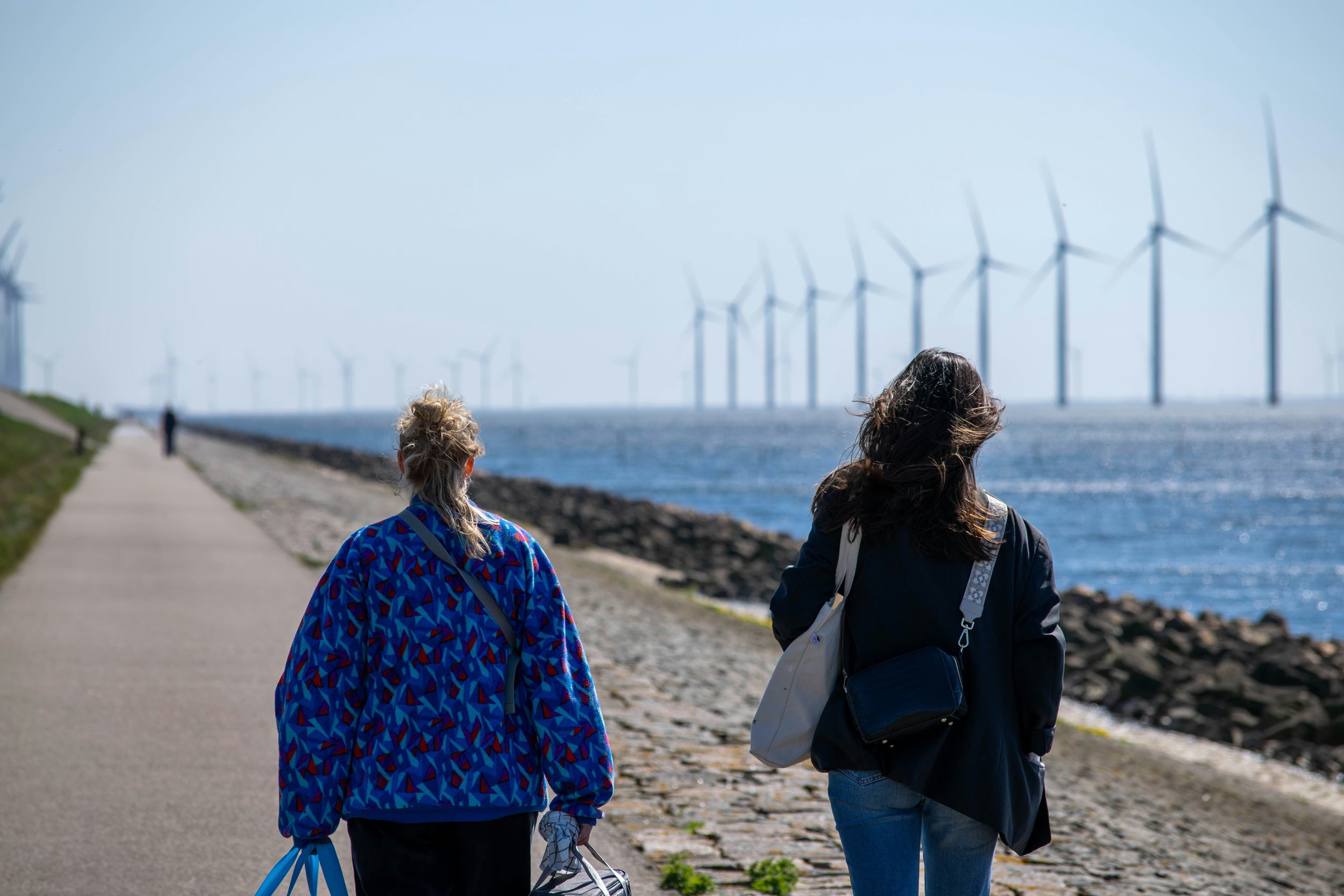
AI is both the motivator and key customer for sustainability
Find more stories and multimedia from SAP at 3blmedia.com.
Contact Info:
Spokesperson: SAP
Website: https://www.3blmedia.com/profiles/sap
Email: info@3blmedia.com
SOURCE: SAP
View the original press release on ACCESS Newswire